

Thanksgiving is a wonderful time to slow down, enjoy the beauty of autumn, and get creative with watercolors. From golden countryside landscapes to delicate fall flowers, seasonal watercolor painting offers plenty of ways to explore color, texture, and light—even if you’re just starting out.
These 15 easy Thanksgiving watercolor ideas for beginners focus on fresh subjects, simple compositions, and relaxing painting techniques. You don’t need advanced art skills or expensive supplies to create something beautiful. With a few basic colors, watercolor paper, and a little practice, you can make seasonal artwork for your sketchbook, handmade cards, or cozy fall decorations.
Unlike traditional pencil drawings or cartoon illustrations, these ideas focus on watercolor washes, soft color blending, transparent layers, and expressive brushstrokes.
1. Golden Autumn Meadow
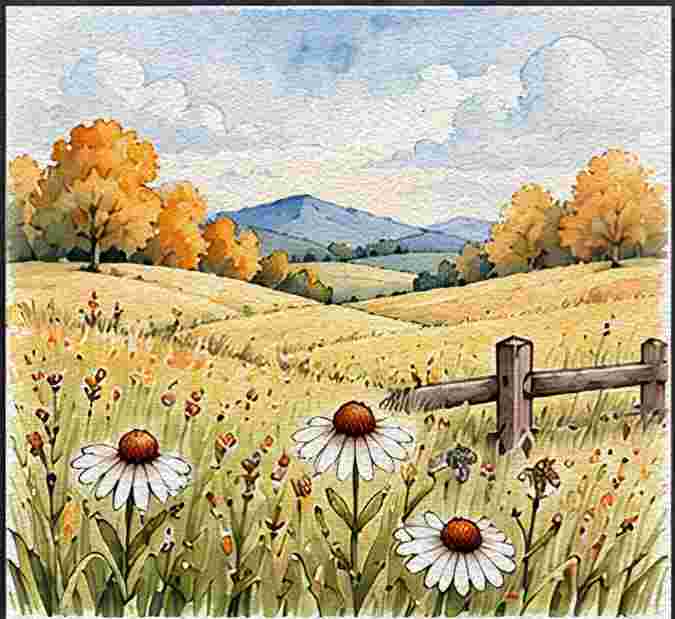
Paint a peaceful meadow filled with golden grasses and tiny wildflowers. Begin with a light yellow-green wash for the distant field, then add warmer golden and brown strokes as the paint dries. Use a few fine brush marks to suggest individual grasses without painting every blade.
Leave small areas of white paper between the flowers to create natural highlights and a light, airy appearance.
2. Rustic Red Barn in Fall
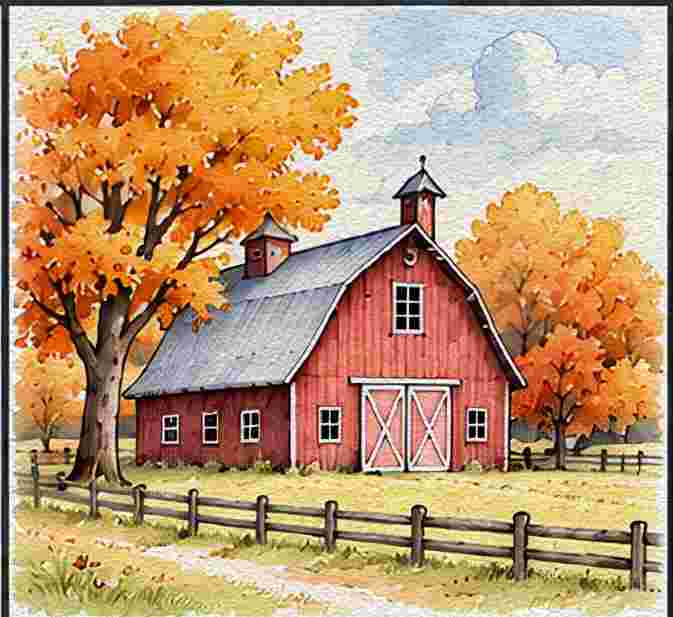
Create a simple countryside scene featuring a red barn surrounded by autumn-colored trees. Use a pale blue wash for the sky, muted greens and oranges for the landscape, and deeper red-brown tones for the barn. Keep the barn’s shape geometric and use only a few lines for doors and windows.
Add a soft shadow beneath the barn to help it feel grounded without making the painting too detailed.
3. Golden Wheat Field at Sunset
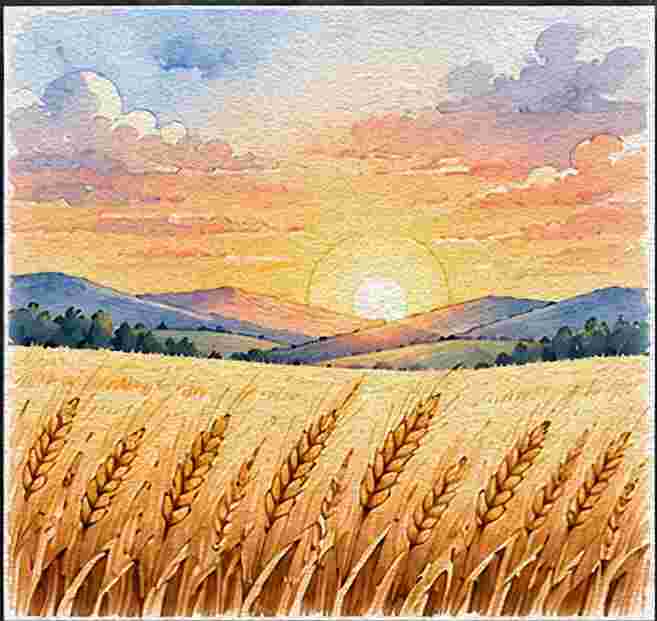
Paint a harvest field stretching toward a warm evening sky. Blend pale yellow, peach, and soft orange across the sky, then use horizontal strokes to build layers in the distant fields. Add a few upright brown and golden marks in the foreground to suggest wheat stalks.
Let the sky colors blend while still damp for a smooth sunset effect. Avoid overworking the paint so the colors remain luminous.
4. Quiet Autumn Forest Path
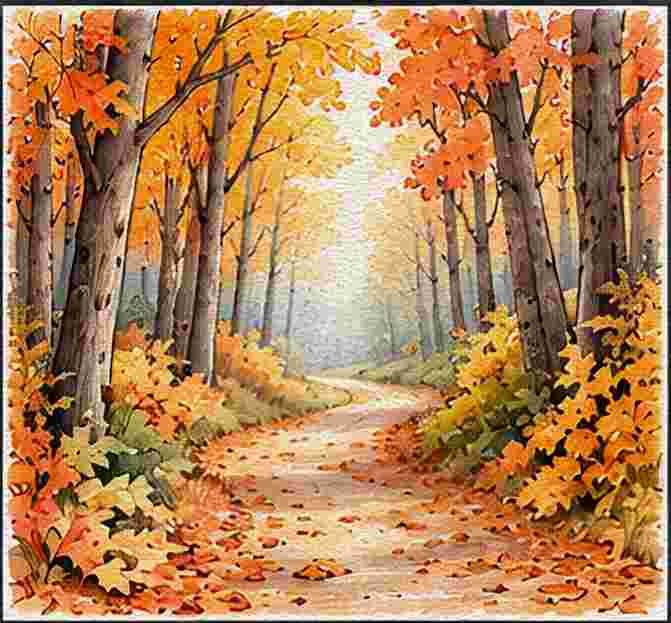
Imagine a winding path leading through a peaceful woodland. Paint distant trees with pale, diluted colors and gradually use stronger oranges, rusts, and browns for the trees closer to the viewer. Leave a lighter strip through the middle to suggest the path.
Use soft, blurred shapes in the background and sharper brushstrokes in the foreground to create a sense of depth.
5. Colorful Trees Reflected in a Pond
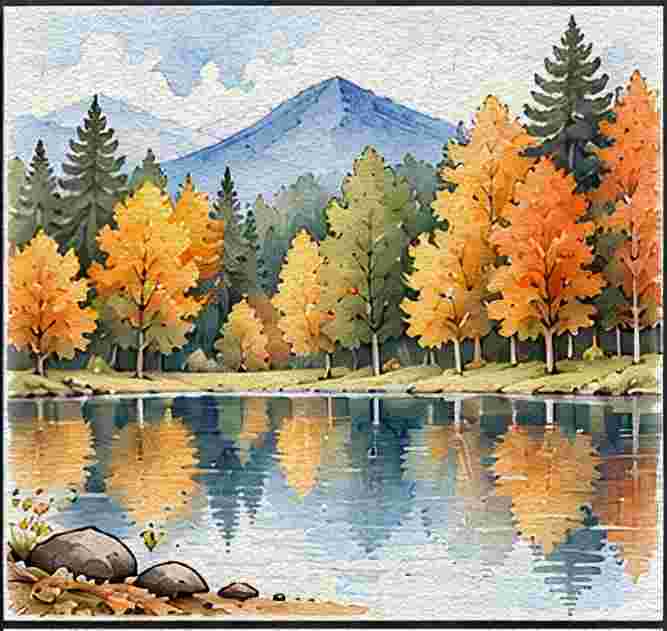
Create a tranquil landscape with autumn trees mirrored in still water. Paint the trees first, using a mix of warm reds, oranges, and muted greens. Once the shapes are established, add loose horizontal strokes beneath them to suggest reflections.
Use slightly softer and less detailed colors in the reflection than in the trees above the water. A few gaps of white paper can represent glimmers of light.
6. Pears and Grapes Still Life
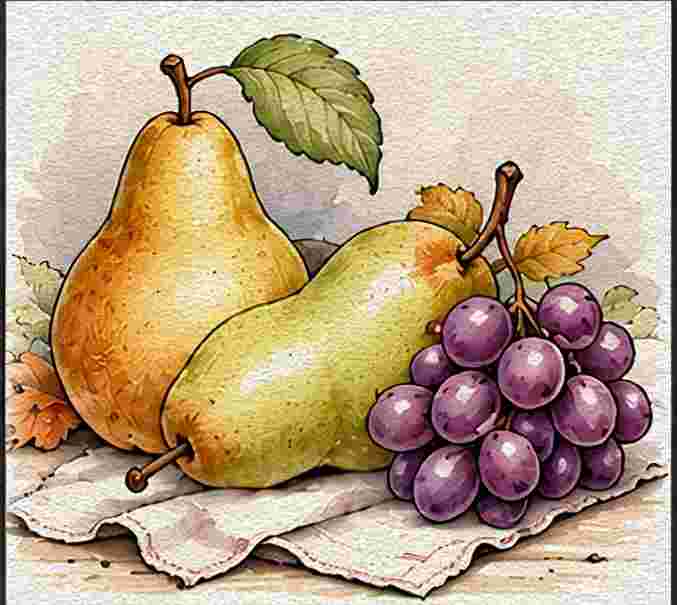
Arrange two or three pears with a small bunch of grapes for a simple seasonal still life. Start with a light yellow-green wash on the pears, then layer darker greens and warm browns to show their rounded forms. Paint the grapes as small connected circles with subtle changes in color.
Leave a small white highlight on each pear and a few grapes. These unpainted areas help the fruit look glossy and three-dimensional.
7. Autumn Chrysanthemum Bouquet
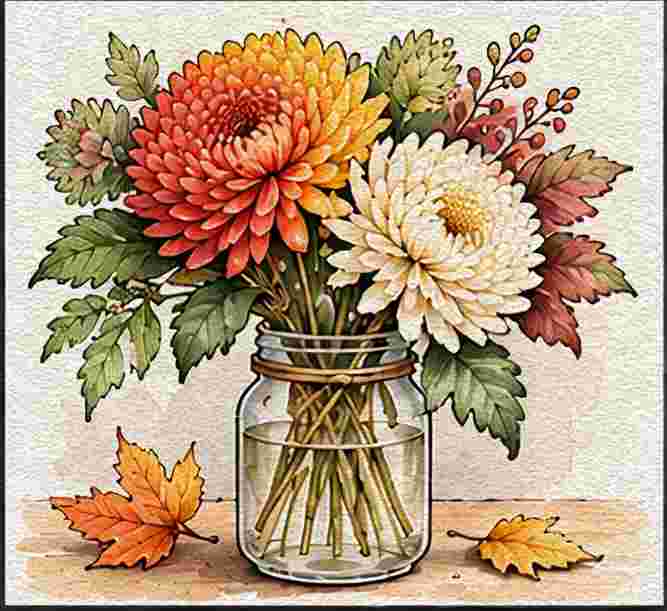
Paint a loose bouquet of chrysanthemums in a simple glass vase. Begin with pale washes of cream, dusty pink, burgundy, and golden yellow. Use short, curved brushstrokes to suggest flower petals, then add thin green stems and leaves.
Paint some petals wet-on-wet for soft edges and others wet-on-dry for sharper details. This contrast makes the bouquet more interesting.
8. Dried Wheat in a Glass Jar
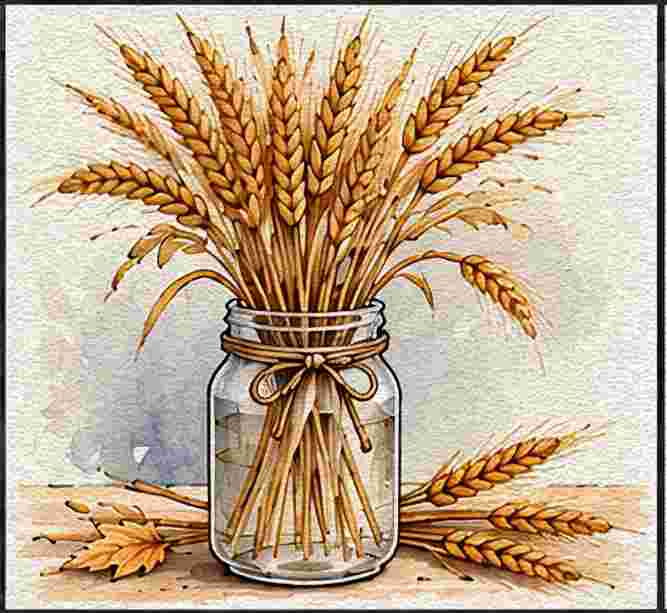
Create a minimal still life featuring dried wheat stalks arranged in a transparent glass jar. Use thin golden-brown strokes for the stalks and delicate tapered marks for the wheat heads. Paint the jar with very light blue-gray washes, leaving much of the paper white.
Add only a few carefully placed lines to indicate the glass edges. Too much outlining can make the jar look solid rather than transparent.
9. Woodland Mushrooms and Moss
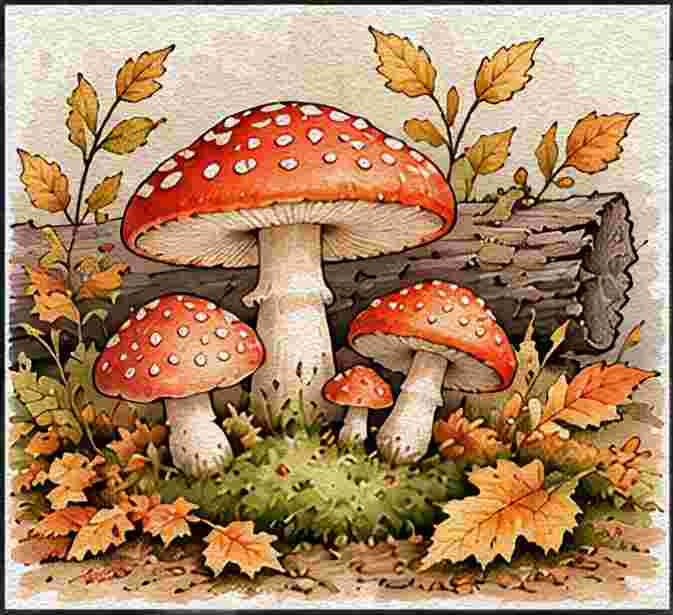
Paint a small cluster of woodland mushrooms growing among moss and fallen twigs. Use warm beige, reddish brown, muted orange, and olive green. Start with broad, soft shapes for the ground, then add mushroom caps and slender stems once the background has dried.
Use a small brush to add a few tiny white spots or highlights to the mushroom caps. Keep the surrounding moss loose and textured.
10. Red Cardinal on an Autumn Branch
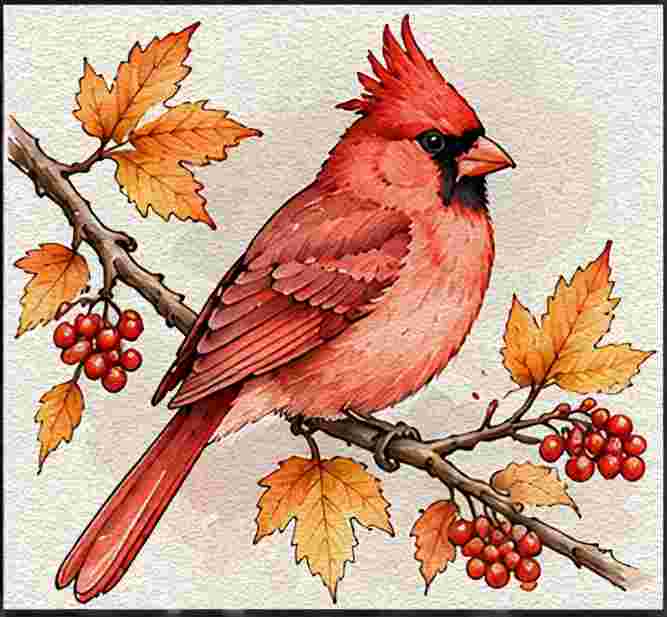
Paint a bright red cardinal perched on a simple branch. Begin with a few loose strokes for the bird’s body, then layer deeper red around the wings and tail. Add a dark beak, a small eye, and a slender brown branch.
Keep the background pale and uncomplicated so the bird remains the main focal point. A soft wash of blue-gray behind it can create contrast with the red feathers.
11. Blue Jay Among Autumn Branches
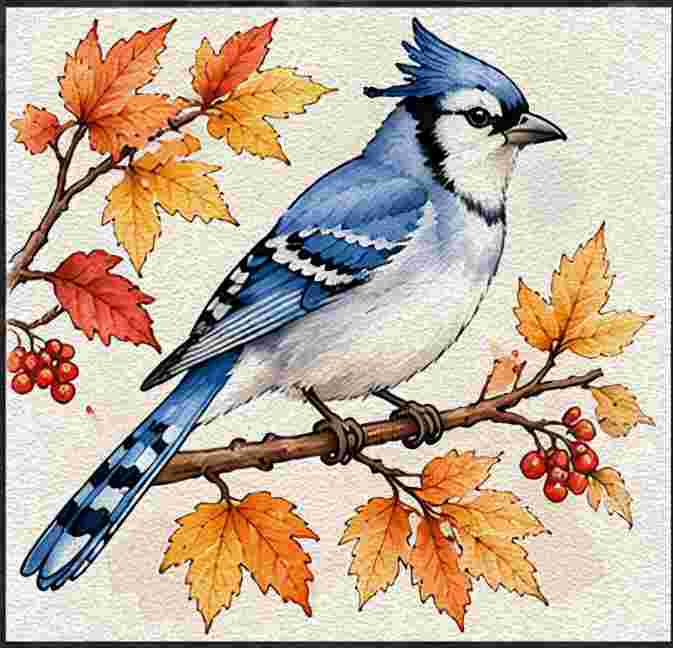
Create a watercolor study of a blue jay resting among thin tree branches. Use soft blue, indigo, gray, and white to establish the bird’s plumage. Keep the surrounding branches delicate and add just a few muted autumn leaves for seasonal context.
Paint the bird’s main shape first, let it dry, and then add a few darker feather markings. Simple color blocks are easier for beginners than painting every feather individually.
12. Cozy Reading Nook by a Rainy Window
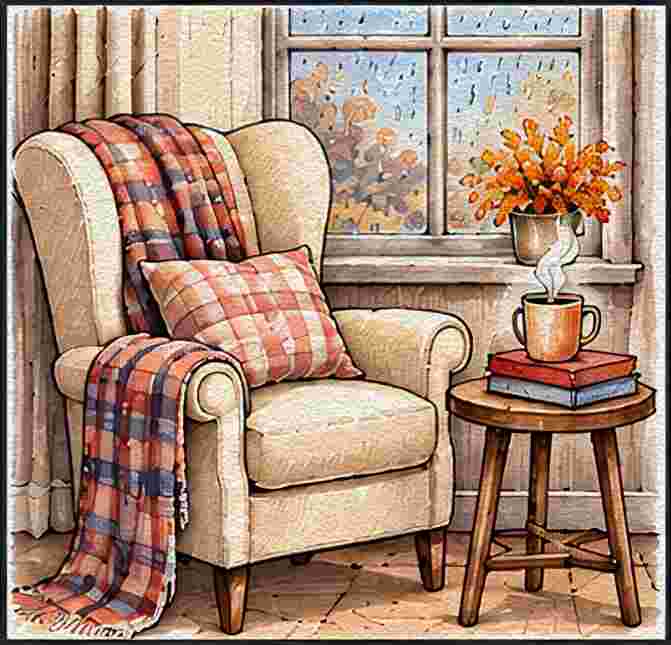
Paint a quiet indoor scene featuring a comfortable armchair, a small side table, and a window streaked with gentle rain. Use warm beige and brown washes for the furniture, cool blue-gray for the window, and soft shadows to suggest a peaceful atmosphere.
Let a few blue-gray watercolor drips or uneven vertical strokes suggest rain on the glass. Keep the furniture shapes simple and use warm-versus-cool colors to create a cozy mood.
13. Country Road Lined with Golden Trees
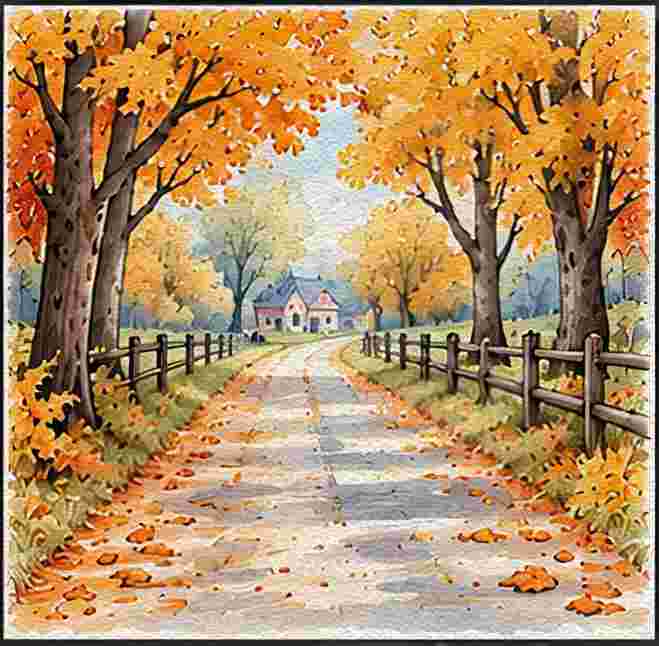
Paint a country road winding between tall trees with golden autumn foliage. Use pale washes for the distant landscape and gradually increase color intensity toward the foreground. A few loose vertical brushstrokes can suggest tree trunks without requiring detailed drawing.
Leave the center of the road lighter than its edges. This simple technique helps guide the viewer’s eye into the painting.
14. Cozy Patchwork Quilt
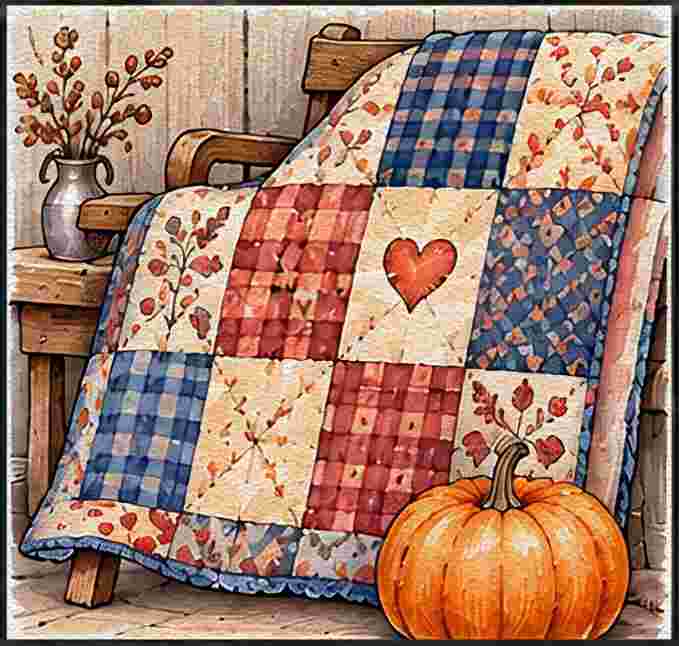
Create a colorful watercolor pattern inspired by a handmade patchwork quilt. Divide the page into simple squares and rectangles, then fill them with different combinations of rust, mustard yellow, burgundy, muted blue, and sage green.
Alternate solid color blocks with simple stripes, dots, and checks. Let each section dry before painting the next one if you want crisp edges.
15. Harvest Lantern on a Rustic Porch
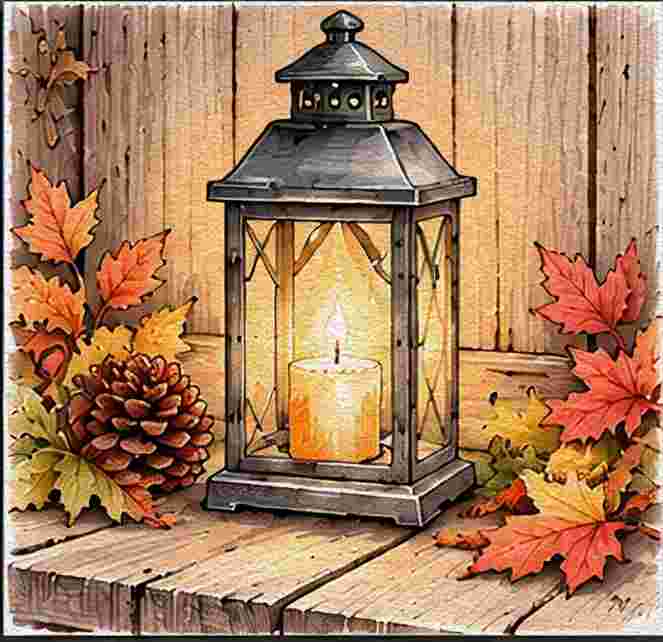
Paint a vintage lantern sitting on wooden porch boards, with a soft glow suggesting warm light inside. Use muted brown and gray washes for the metal frame and warm yellow-orange for the light. Add subtle shadows beneath the lantern and a few scattered twigs nearby.
Leave a small area of the lantern glass almost white, then surround it with pale yellow washes. This creates the impression of glowing light without needing complicated effects
Thanksgiving watercolor painting is a relaxing way to celebrate the colors, textures, and atmosphere of autumn. From peaceful forest paths and golden fields to delicate flowers and cozy indoor scenes, these 15 ideas offer plenty of inspiration for your next creative session.
You don’t have to paint every detail perfectly. Focus on simple shapes, transparent washes, and gentle color transitions. With practice, you’ll become more comfortable controlling water and pigment while developing your own artistic style.
Choose one idea, prepare your watercolor paper, and enjoy creating a little piece of autumn for your sketchbook or seasonal art collection.