
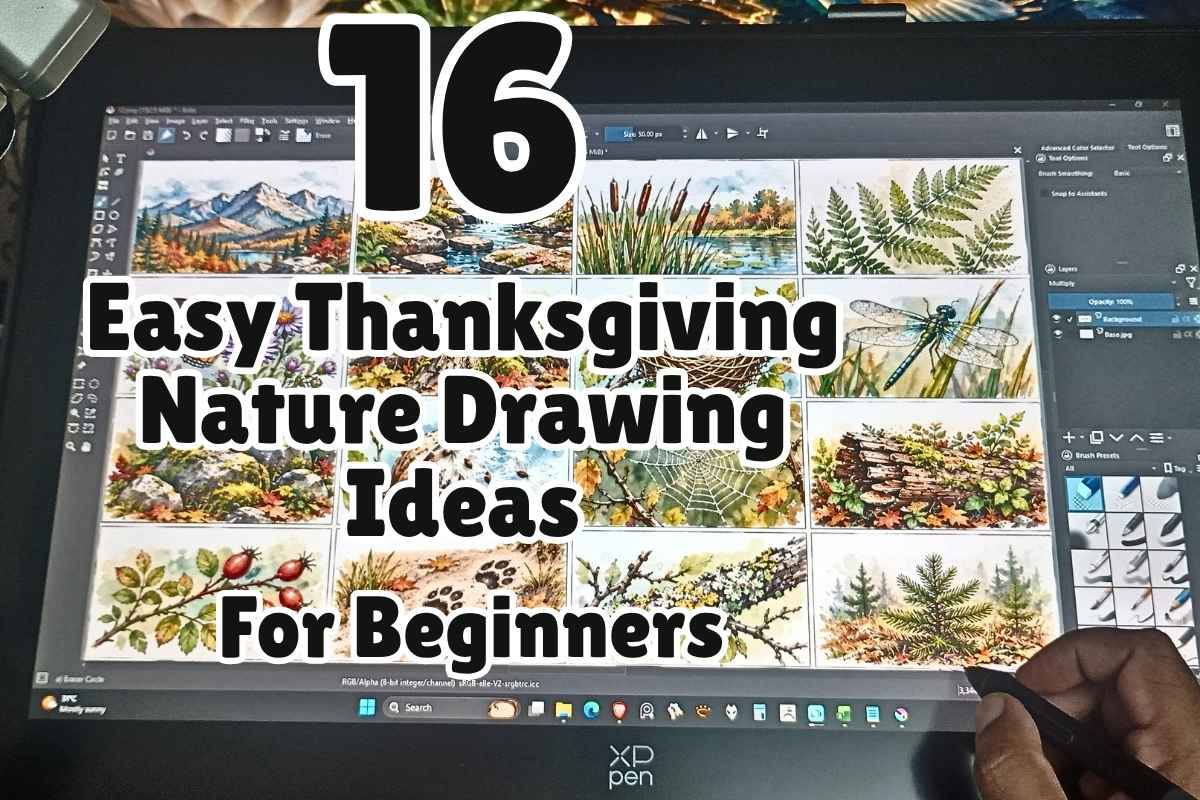
Thanksgiving is a wonderful time to appreciate nature, enjoy the beauty of the outdoors, and slow down with a relaxing drawing session. From peaceful mountain views to delicate woodland details, nature offers endless inspiration for seasonal sketchbook art.
These 16 easy Thanksgiving nature drawing ideas are perfect for beginners who want to explore outdoor scenery, plants, insects, and natural textures. You can create simple pencil sketches, detailed ink illustrations, or soft nature-inspired drawings using basic shapes and easy shading techniques.
Whether you’re filling your fall sketchbook, creating seasonal artwork, or looking for a relaxing creative hobby, these nature drawing ideas will help you celebrate the quiet beauty of the season without focusing on traditional Thanksgiving food or cartoon characters.
1. Mountain Ridge in Autumn
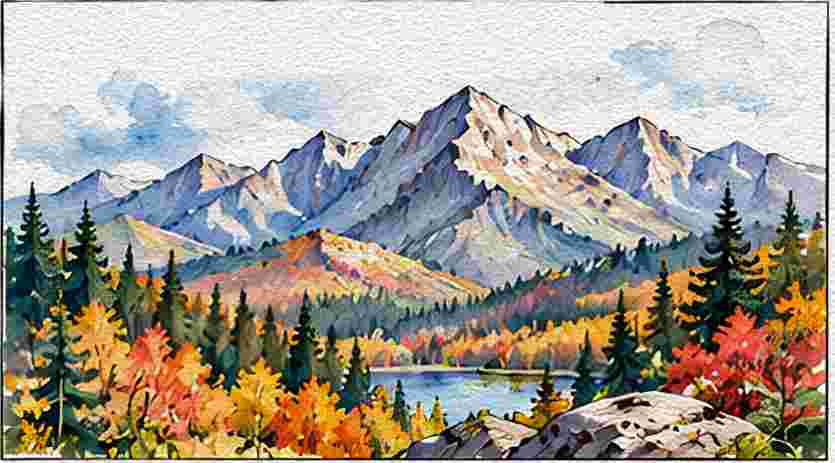
Draw a peaceful mountain ridge with overlapping peaks and a few distant hills. Begin with simple triangular and curved shapes, then add light lines to suggest rocky surfaces and patches of vegetation. Keep the distant mountains faint and use darker outlines for the peaks in front.
Use different pencil pressures to create atmospheric depth, making distant mountains lighter than the foreground.
2. Woodland Creek with Stepping Stones
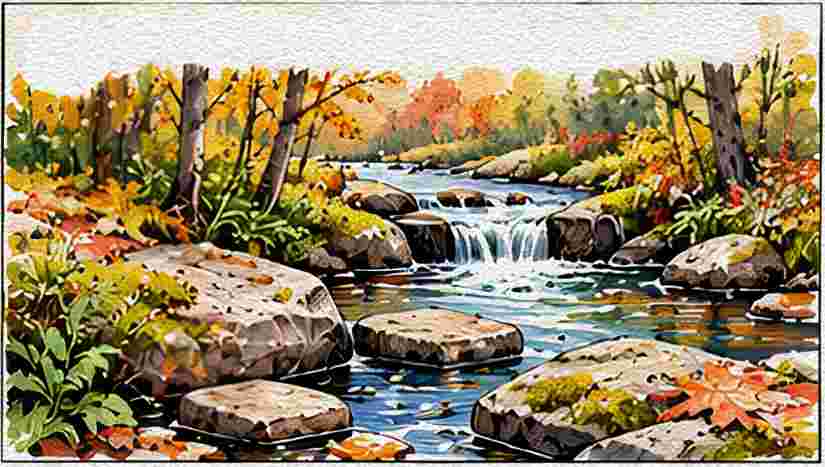
Sketch a narrow creek winding between smooth stones and low plants. Use two gently curving lines to establish the water’s path, then add rounded stones of different sizes along the banks. A few short horizontal marks can suggest ripples and reflections.
Leave small areas of white paper in the water to represent glimmers of light and make the creek feel fresh and natural.
3. Cattails Growing Beside a Pond
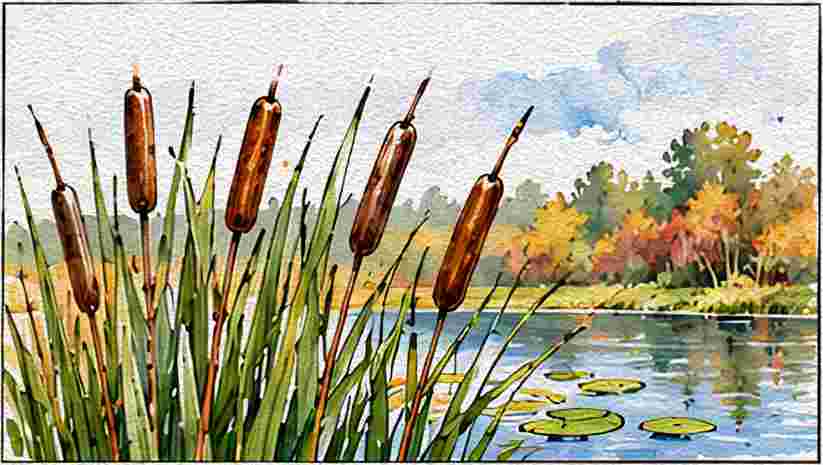
Draw a cluster of tall cattail plants with long, narrow leaves and distinctive brown seed heads. Start with slender vertical stems, then add the elongated leaf shapes around them. Vary the height and angle of the plants to create a natural arrangement.
Use fine parallel lines to show the leaves’ texture and slightly darker shading around the seed heads.
4. Delicate Fern Frond
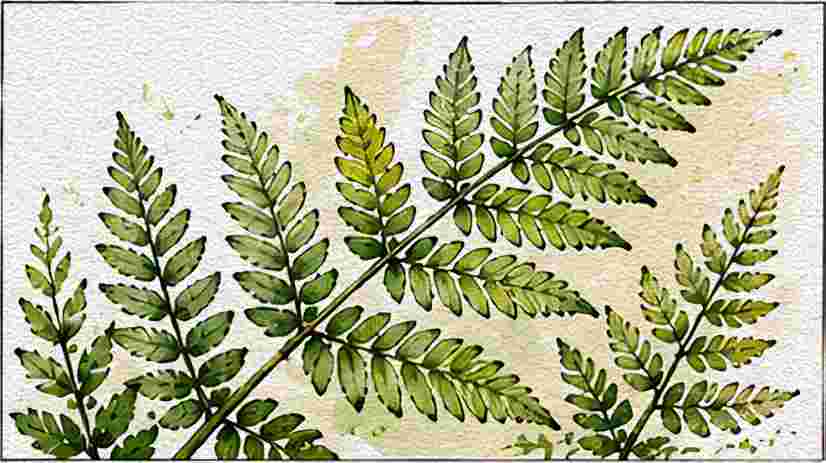
Create a simple botanical drawing of a fern frond with a curved central stem and rows of small leaflets. Begin with the main stem, then draw pairs of narrow leaves branching outward. Keep the leaflets slightly different in length to give the plant a natural appearance.
Draw three fern fronds at different angles to create a balanced botanical sketchbook composition.
5. Monarch Butterfly on Wild Asters
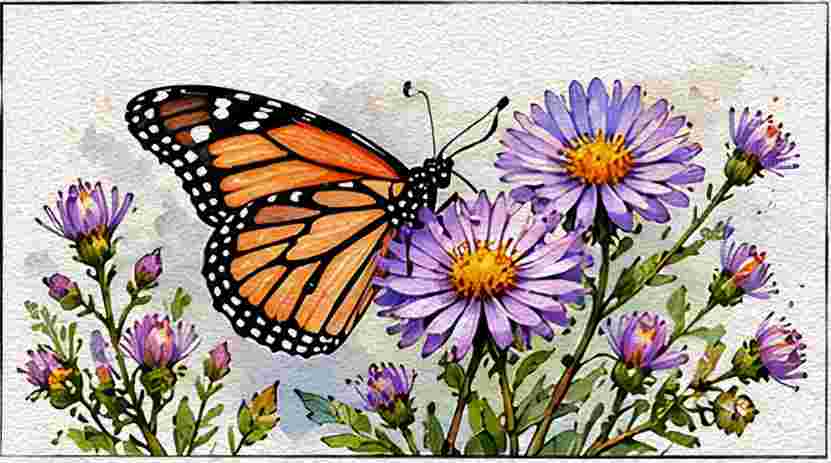
Sketch a monarch butterfly resting on a small cluster of wild asters. Begin with the butterfly’s body and four wings, then divide the wings into sections with thin veins. Add a few simple flower shapes and slender stems beneath it.
Keep the wing patterns symmetrical and use small dark markings along the edges to make the butterfly recognizable, even in a black-and-white sketch.
6. Tree Stump with Visible Growth Rings
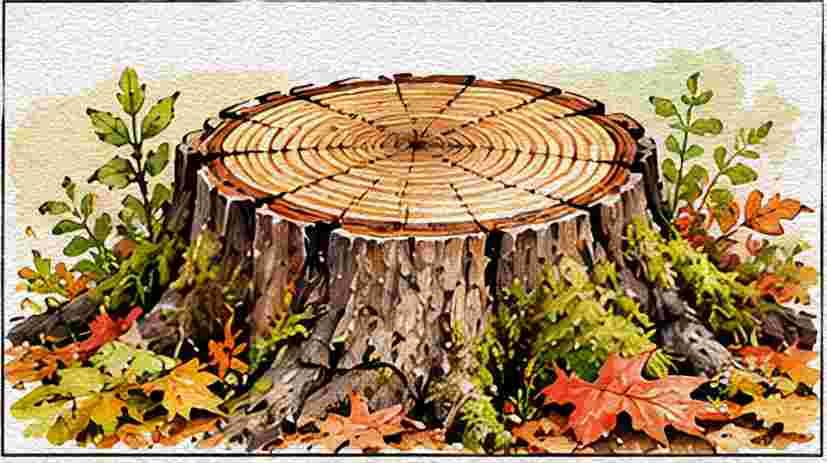
Draw a cut tree stump from a slightly elevated angle so its circular top is visible. Add several uneven rings around the center, a rough outer bark edge, and short vertical lines along the sides to suggest wood grain.
Make the growth rings irregular rather than perfectly circular. Small cracks and uneven edges help the stump look more realistic.
7. Small Bird Nest with Eggs
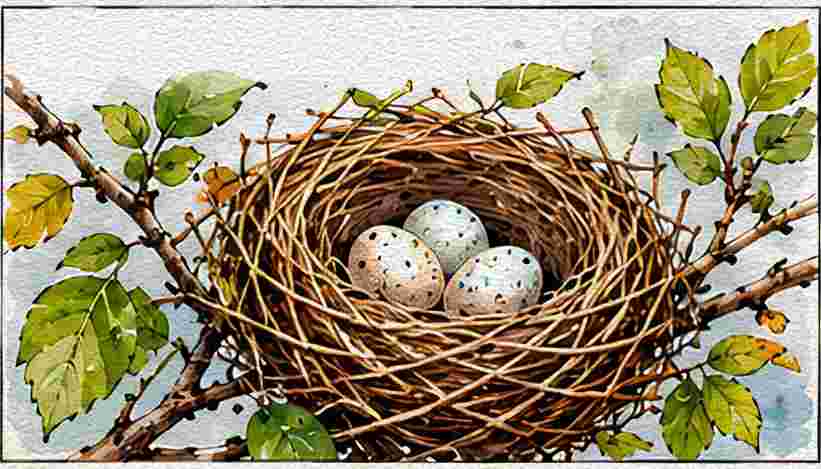
Sketch a delicate nest resting between a few sturdy branches. Use short, overlapping curved lines to build the woven nest, then draw two or three small eggs nestled inside. Add a few twigs extending beyond the nest to create a natural silhouette.
Vary the direction and thickness of the twig lines so the nest looks woven rather than like a smooth bowl.
8. Dragonfly Resting on a Reed
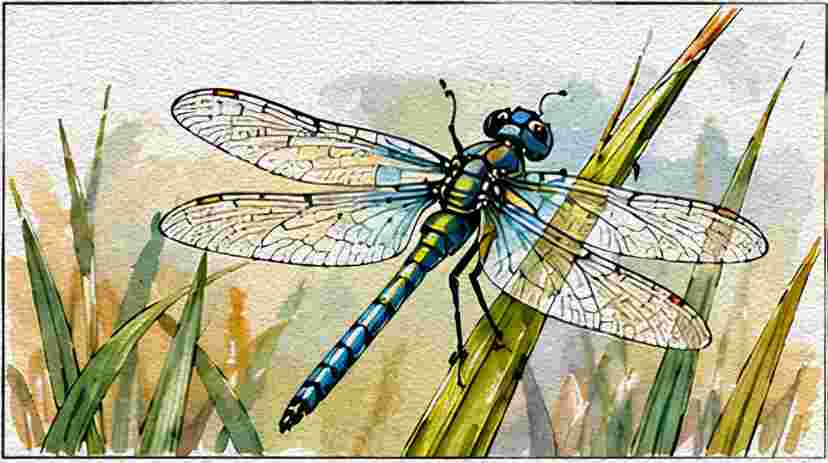
Draw a dragonfly perched on a slender reed, with a long segmented body, large eyes, and four transparent wings. Begin with a straight body axis and arrange the wings in pairs on either side. Use delicate lines to show the veins inside the wings.
Keep the wings lightly outlined and leave plenty of white space around them to emphasize their delicate structure.
9. Moss-Covered Boulders
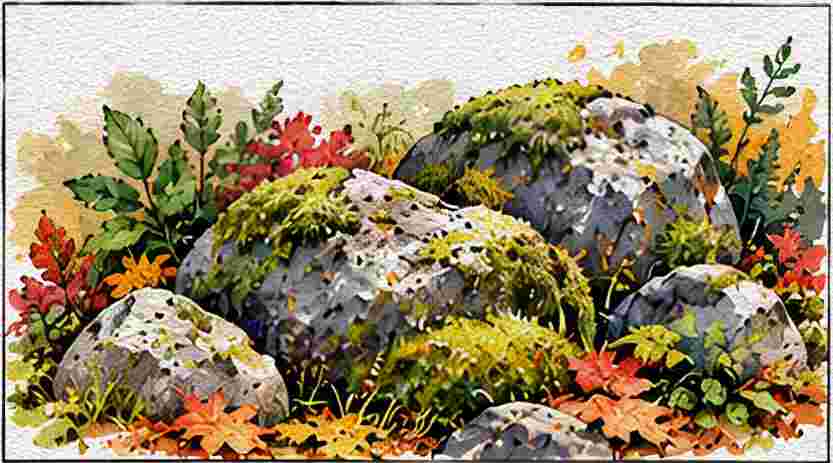
Create a small group of rounded boulders covered with patches of moss. Start with irregular rock shapes, then add broken contour lines and gentle shading to show their volume. Use clusters of tiny dots and short strokes to represent the moss.
Leave some areas of the rocks smooth and lightly shaded. Contrasting textures will make the moss stand out.
10. Milkweed Seed Pod Opening
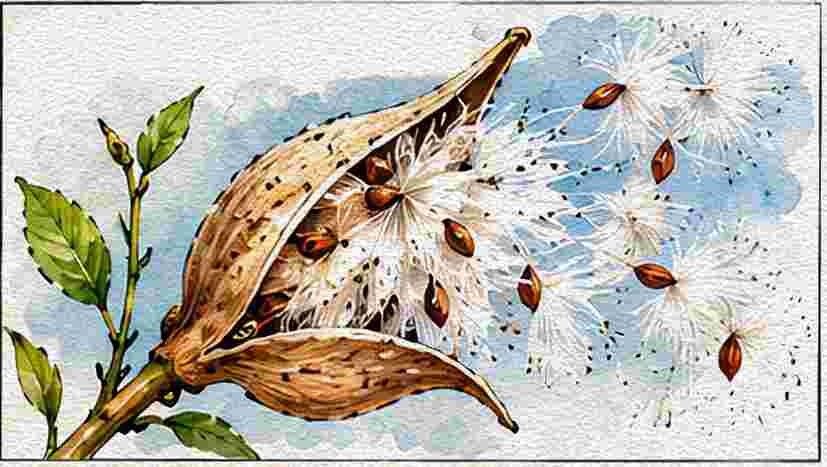
Draw a milkweed pod split open to reveal its silky seeds. Begin with the elongated pod shape, add a few curved lines along its surface, and sketch delicate seed filaments spreading outward from the opening. Keep the fine strands light and loose.
Use very thin lines for the silky fibers and darker marks near the pod’s edges to create contrast.
11. Spiderweb Between Two Branches
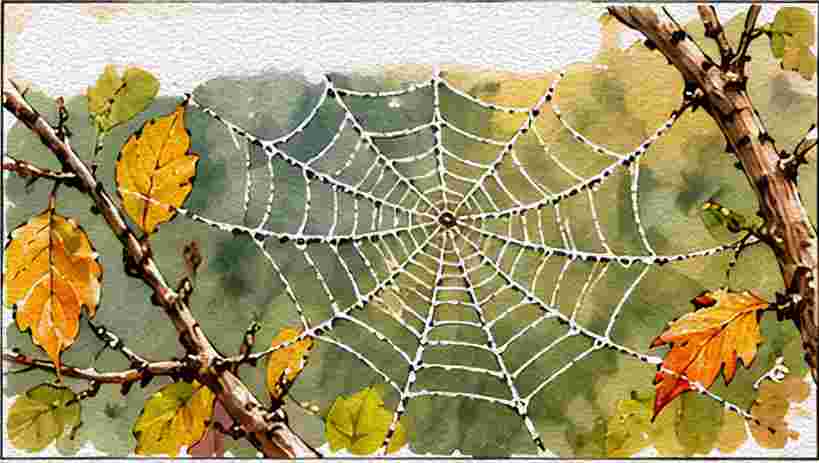
Sketch a delicate spiderweb stretched between two small branches. Draw several radiating lines from the center, then connect them with curved strands to create the web’s structure. Add a few tiny droplets along selected strands for a fresh morning effect.
Keep the web’s lines thin and evenly spaced, but allow a little natural irregularity so it doesn’t look mechanically perfect.
12. Fallen Log with Tiny Woodland Plants
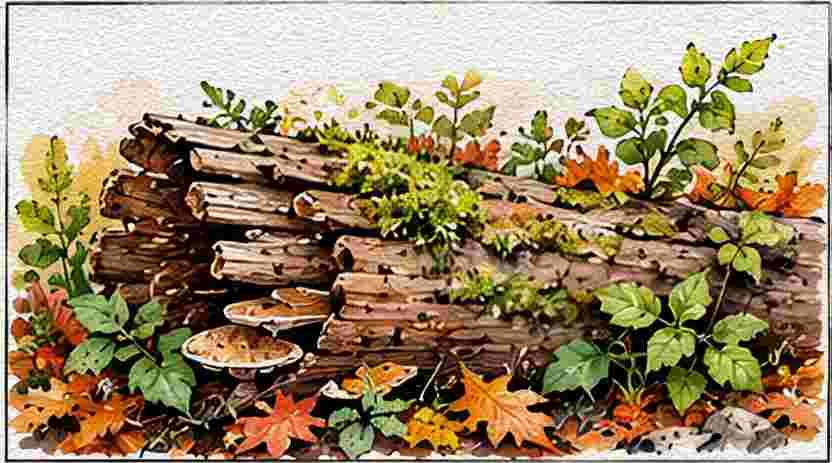
Draw a fallen log lying across a patch of forest ground. Show its broken end with an irregular oval shape, a few visible growth rings, and rough bark lines along its length. Add small plants or grasses emerging around the log.
Use short, broken pencil strokes for the bark and smoother lines for the plants to create contrast between the textures.
13. Wild Rose Hips on a Branch
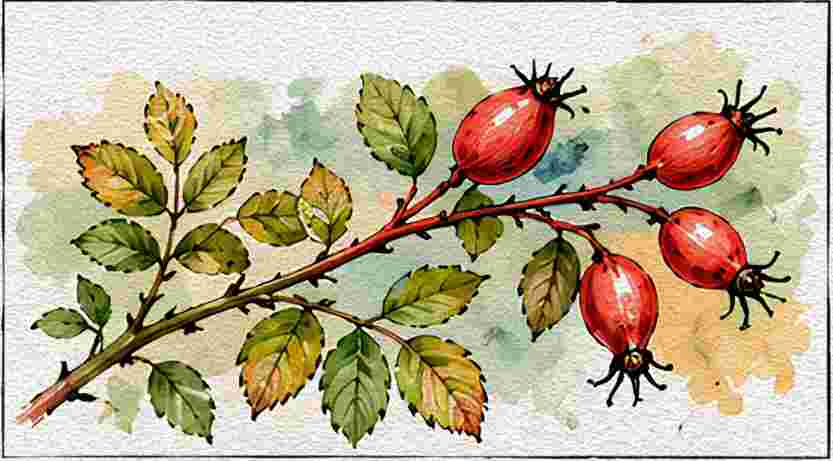
Sketch a slender wild rose branch carrying clusters of small, oval rose hips. Add a few pointed leaves, tiny stems, and small marks to show the fruit’s surface. Let the branch curve gently across the page rather than keeping it perfectly straight.
Draw the rose hips in different sizes and directions to make the branch look more natural.
14. Woodland Animal Tracks
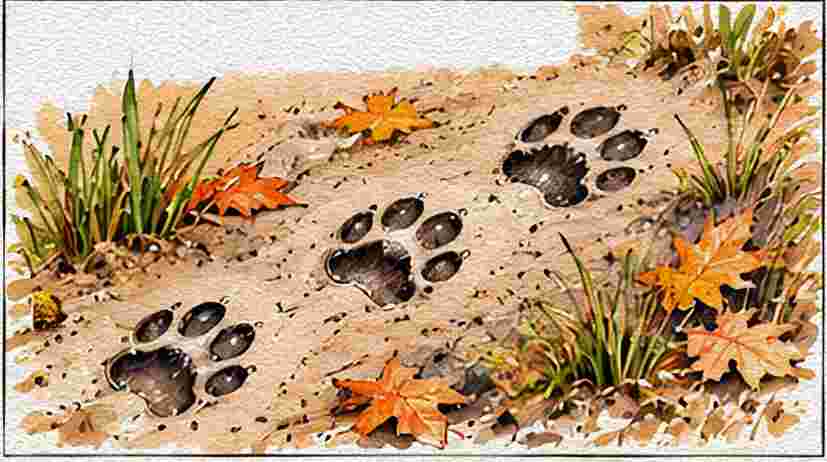
Create a nature study featuring a short trail of animal footprints across soft ground. Draw several simple track shapes in a diagonal path, varying their spacing and angle. Add a few pebbles, grass blades, and subtle ground textures around the prints.
Choose one type of track and repeat its basic shape consistently. A light shadow beside each print can help suggest an impression in the ground.
15. Lichen-Covered Tree Branch
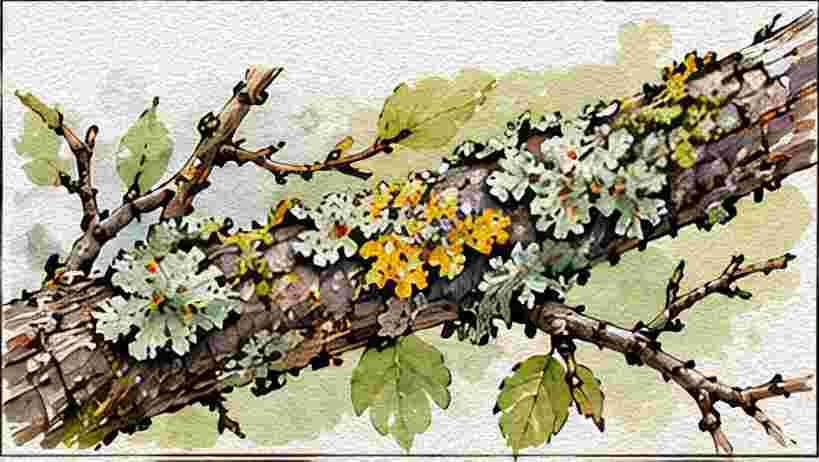
Draw a twisting tree branch with patches of lichen growing along its bark. Begin with two irregular lines to establish the branch’s thickness, then add small branching twigs. Represent the lichen with clusters of tiny rounded, leafy, or crust-like shapes.
Combine rough bark lines with softer, clustered marks to show the difference between the wood and the lichen.
16. Young Evergreen Sapling
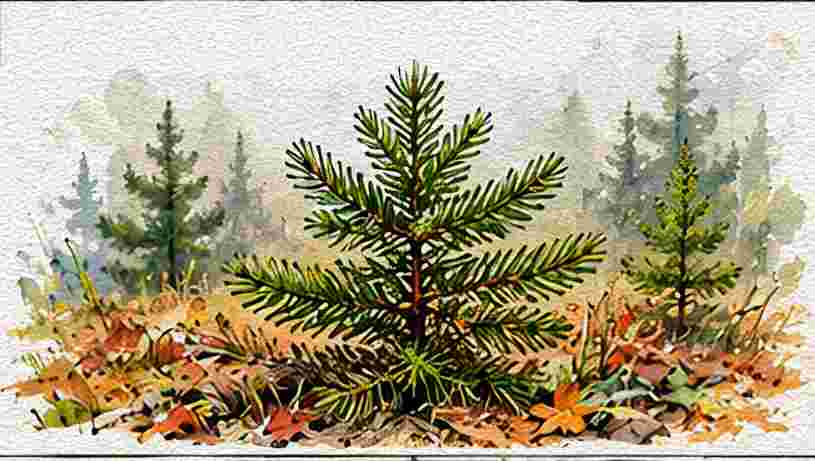
Sketch a small evergreen sapling with a slender trunk and layered branches. Use simple angled strokes to create its triangular silhouette, then add short needle-like marks along selected branches. Keep the lower branches wider and gradually shorten them toward the top.
Draw two or three saplings of different heights to create a small woodland scene with a sense of depth.
Nature provides endless inspiration for relaxing drawing practice, especially during the Thanksgiving season. From mountain ridges and quiet creeks to delicate fern fronds and tiny woodland details, these 16 easy nature drawing ideas offer a fresh way to celebrate the outdoors.
Start with a subject that interests you, focus on its basic shape, and build the details gradually. With a little practice, your sketchbook can become a collection of peaceful nature studies that capture the quiet beauty of the season.