
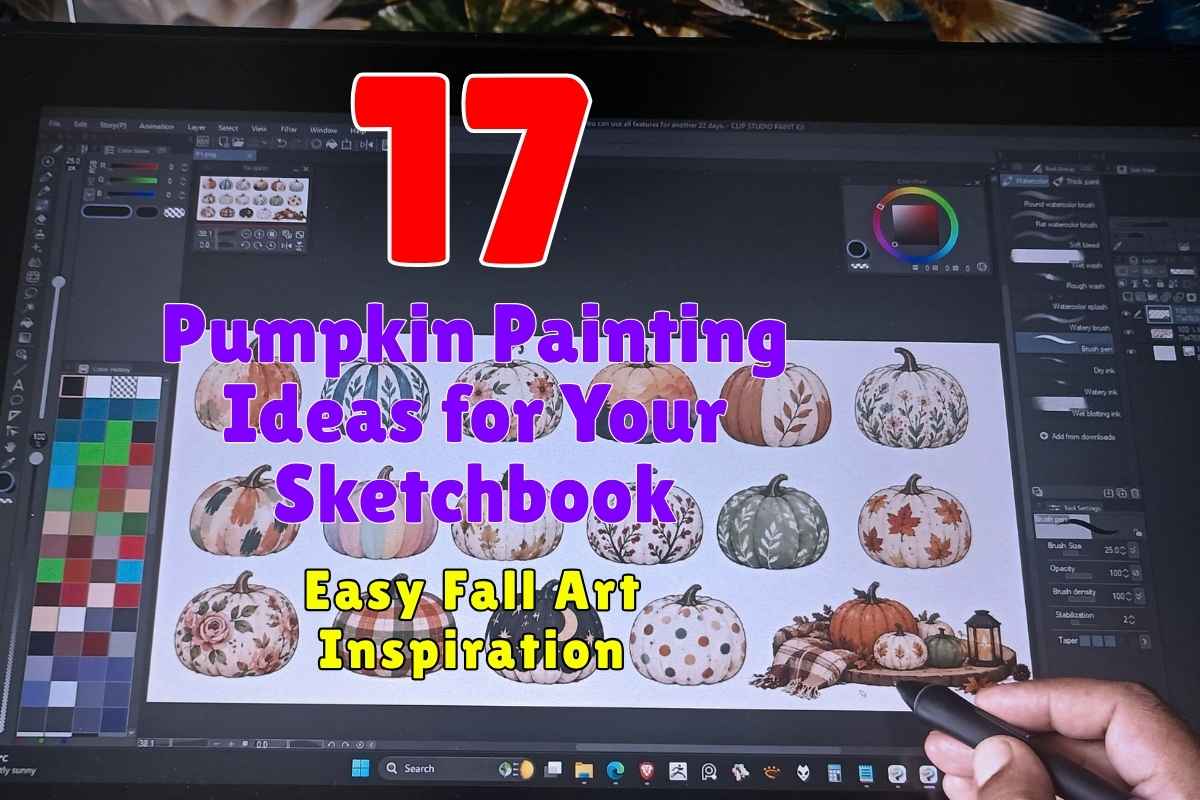
Pumpkins are one of the easiest ways to bring a cozy fall feeling into a sketchbook. Their simple rounded shape gives you plenty of space to experiment with watercolor washes, patterns, botanical details, brushstrokes, and seasonal colors.
Pumpkin painting is also beginner-friendly because you can start with a simple pumpkin shape and build the design gradually. Recent pumpkin-art content continues to emphasize easy patterns, stripes, dots, botanical motifs, and loose watercolor approaches, making them useful techniques for a relaxed fall sketchbook practice.
You do not need to make every pumpkin perfectly realistic. Try changing the shape, colors, patterns, and level of detail from one idea to the next. For a cohesive sketchbook page, you can also repeat a small color palette across several pumpkins.
Here are 17 creative pumpkin painting ideas to try this fall.
1. Watercolor Pumpkin Study
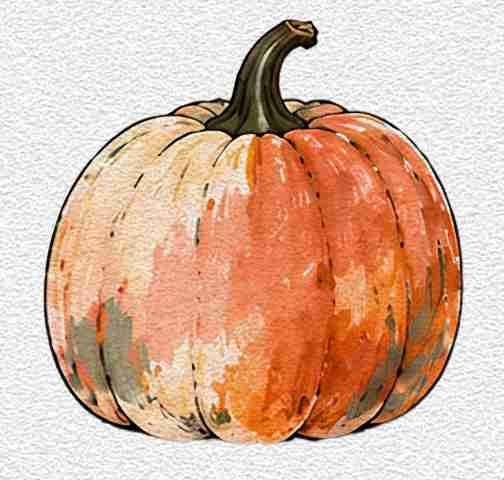
Create a simple pumpkin study focused on watercolor texture rather than decoration. Start with a light pencil outline of a round pumpkin and loosely paint each section with warm orange, peach, yellow, and brown washes.
Allow some colors to blend naturally while the paint is still wet. Leave small areas of white paper visible for highlights. Once dry, add a few fine pencil or ink lines to define the ribs and stem.
This is a great first page for a fall sketchbook because it lets you practice shape, color blending, and light without worrying about a complicated design.
2. Pumpkin with Blue and White Stripes
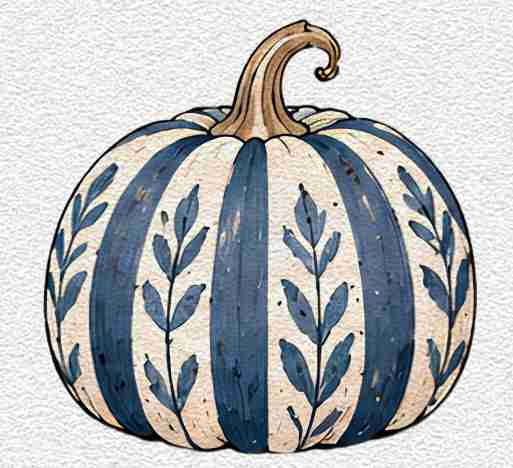
Give a traditional pumpkin a fresh color combination by painting it with alternating blue and white stripes.
First, lightly divide the pumpkin into curved sections that follow its natural ribs. Paint every other section in a soft blue, leaving the remaining sections white or lightly tinted with cream.
Keep the stripes slightly curved instead of perfectly straight so they follow the rounded pumpkin form. Add a simple brown stem and a soft shadow underneath to finish the painting.
3. Floral Vine Pumpkin
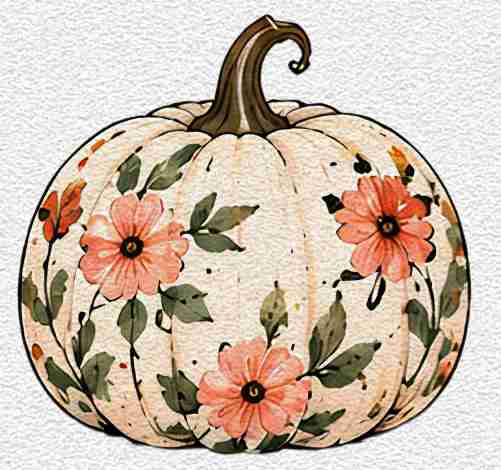
Turn your pumpkin into a small botanical artwork by covering its surface with delicate vines and flowers.
Begin with a warm cream or pale orange base. Once dry, paint thin curling stems across the pumpkin and add small flowers and leaves along the vines.
Keep the flowers relatively small so the pumpkin shape remains visible. You can use two or three flower shapes repeatedly rather than trying to create complicated botanical details.
4. Sunset Gradient Pumpkin
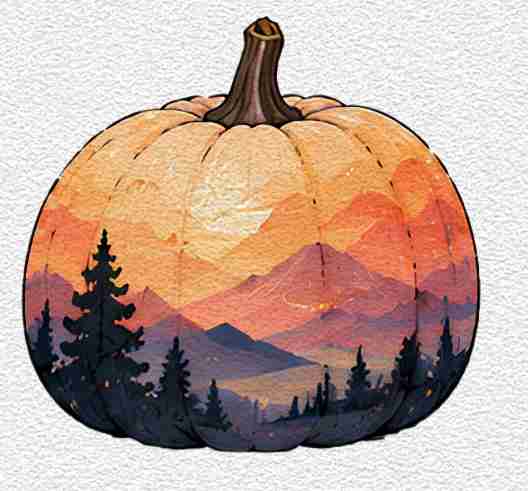
Paint an entire sunset landscape directly onto the pumpkin surface.
Start with a soft yellow near the center or lower portion and gradually transition into peach, orange, pink, and purple toward the upper area. Once the gradient dries, add a simple row of dark mountains or pine trees.
A tiny sun or moon can complete the scene. Keep the landscape silhouette simple so the colorful gradient remains the main attraction.
5. Terracotta and Cream Pumpkin
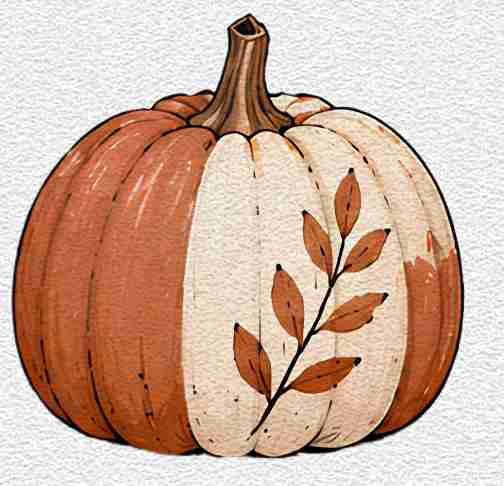
Create a warm, minimalist pumpkin using only terracotta and cream.
Paint alternating pumpkin sections in muted terracotta and leave the remaining sections cream. Instead of making the color blocks perfectly identical, allow small variations in brush texture to give the piece a handmade appearance.
Add a dark brown stem and a few tiny leaves near the top. This design works particularly well if you prefer simple, rustic fall artwork.
6. Pumpkin with Tiny Wildflowers
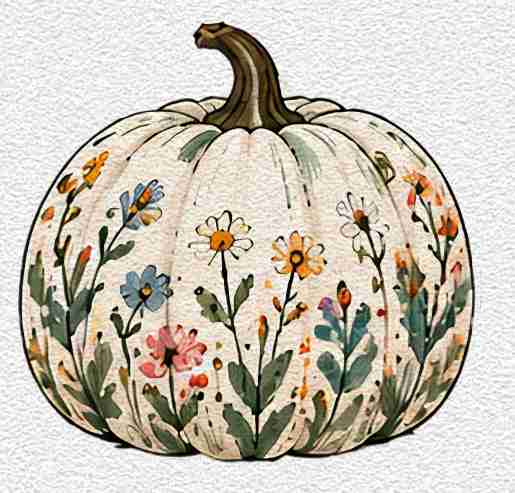
Paint a soft cream or muted orange pumpkin and decorate it with tiny scattered wildflowers.
Start with small stems and leaves, then add simple five-petal flowers in different areas of the pumpkin. Vary their sizes so the pattern feels natural rather than repetitive.
Keep plenty of the pumpkin base visible. The combination of a simple base color and delicate flowers creates a gentle cottage-style fall look.
7. Abstract Brushstroke Pumpkin
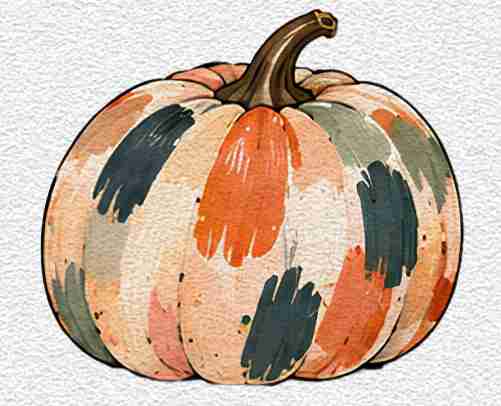
For something more expressive, forget detailed patterns and use visible brushstrokes to create the pumpkin.
Paint broad strokes of orange, rust, cream, muted green, and brown following the curved shape of the pumpkin ribs. Let some strokes overlap while leaving small gaps between colors.
The goal is not smooth blending. Let the individual brush marks remain visible so the painting feels loose and artistic.
This is an especially useful idea for beginners who want to experiment with painting without worrying about precision.
8. Pastel Rainbow Pumpkin
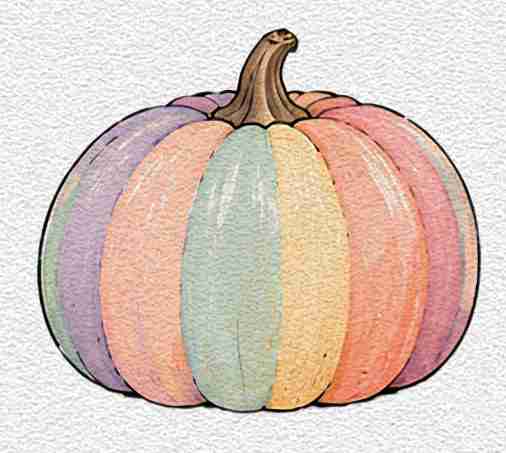
Give the traditional fall pumpkin a softer, playful appearance with pastel colors.
Divide the pumpkin into curved sections and paint them in shades such as blush pink, lavender, pale blue, soft yellow, peach, and mint green.
Keep the colors light and slightly transparent if you’re working with watercolor. A simple brown stem and a few tiny leaves are enough to finish the design.
9. Gold Leaf Accent Pumpkin
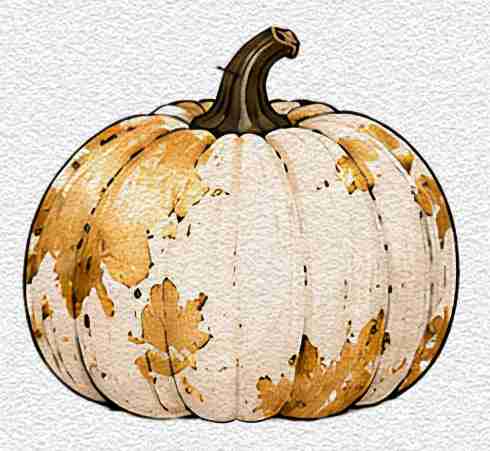
Create an elegant pumpkin with a mostly neutral color palette and small golden details.
Paint the pumpkin in cream, beige, or very pale orange. Once the base is dry, add thin leaves, small branches, or simple curved lines in gold.
If you are using watercolor, metallic gold paint can work beautifully for this effect. Keep the gold accents limited so they feel like small highlights rather than covering the entire pumpkin.
10. Pumpkin with Autumn Berry Branches
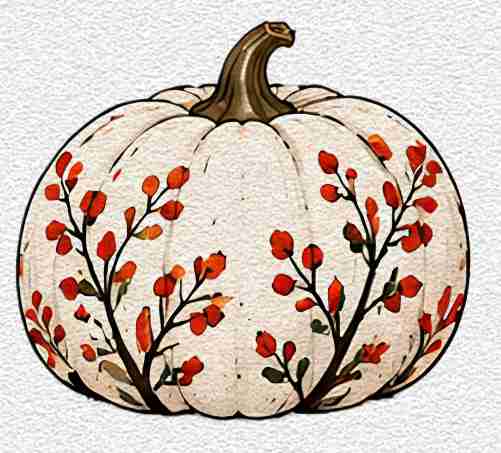
Decorate the pumpkin with thin branches covered in small autumn berries.
Begin with a cream or pale pumpkin base. Paint several curved brown branches and add clusters of tiny red, orange, or muted burgundy berries along them.
Add a few small leaves between the berry clusters. Let some branches curve naturally around the pumpkin ribs to make the design feel integrated with the form.
11. Sage Green Botanical Pumpkin
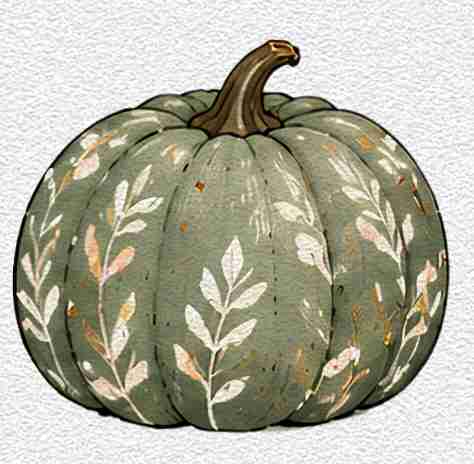
Try something completely different from traditional orange by painting the pumpkin in a muted sage green.
After the base dries, add delicate cream or light-green botanical leaves across the surface. Follow the natural curves of the pumpkin rather than placing the leaves randomly.
A slightly darker green along the ribs can give the pumpkin more dimension while keeping the overall look soft and minimal.
12. Pumpkin with Falling Leaf Pattern
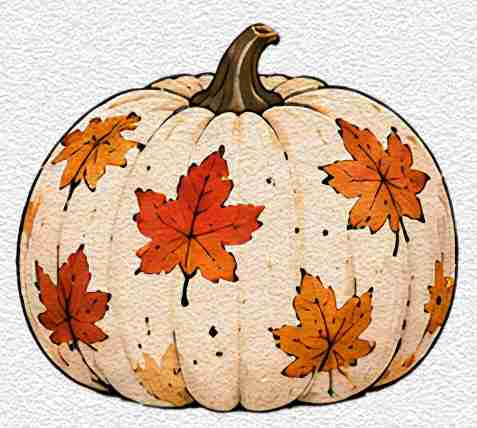
Create a seasonal pattern using small autumn leaves.
Paint a neutral cream or pale orange base, then add individual leaves in different sizes across the pumpkin. Use simple maple-inspired, oak-inspired, or rounded leaf shapes without making them overly detailed.
Let a few leaves overlap the pumpkin ribs. You can also leave some areas completely empty to create a more balanced composition.
13. Vintage Rose Pumpkin
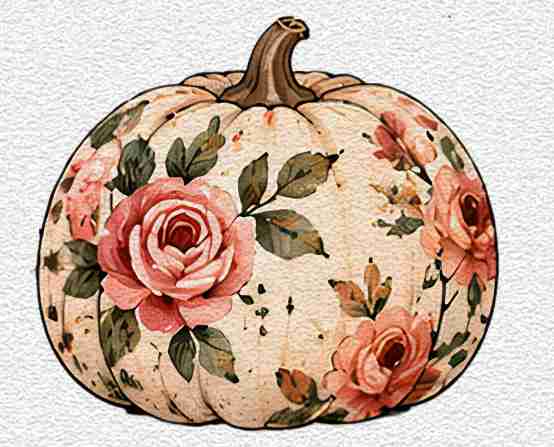
For a romantic fall design, cover a cream-colored pumpkin with vintage-style roses.
Start with a warm ivory or muted beige base. Paint several larger roses in dusty pink, burgundy, or muted peach, then surround them with small green leaves and curling stems.
You don’t need realistic roses. Simple layered petal shapes can create the impression of flowers while keeping the painting approachable for beginners.
14. Pumpkin with Plaid Pattern
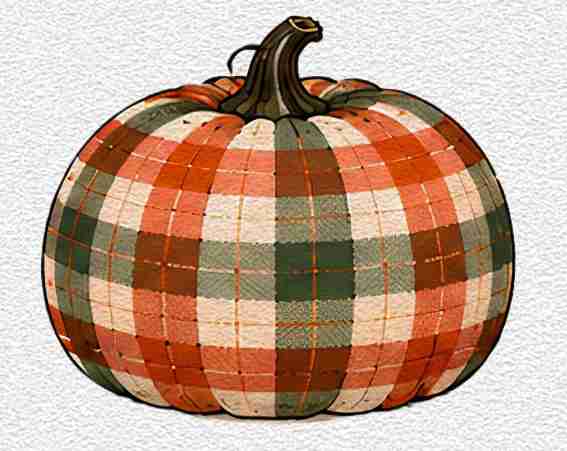
Bring a cozy fabric-inspired look to your pumpkin with a simple plaid pattern.
Paint the pumpkin in a warm cream or muted orange first. After it dries, add horizontal and vertical curved lines that follow the pumpkin’s rounded shape.
Use two or three autumn colors such as rust, brown, olive green, and cream. Keep the lines slightly imperfect to maintain a handmade painted appearance.
Plaid and check patterns are particularly useful for beginner pumpkin painting because they rely on simple repeated marks rather than complex illustrations.
15. Moody Black and Cream Pumpkin
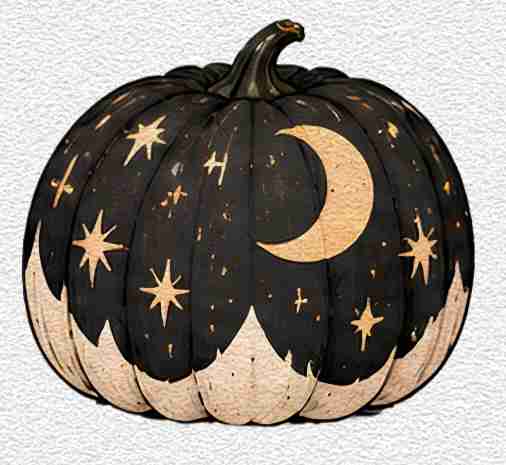
Create a dramatic pumpkin using black and cream as the main colors.
Paint several pumpkin sections black while leaving others cream. Add small cream stars, moons, dots, or tiny botanical shapes to the darker sections.
Keep the contrast strong but the decoration simple. The result can feel slightly spooky while still working as sophisticated fall artwork.
16. Pumpkin with Hand-Painted Dots
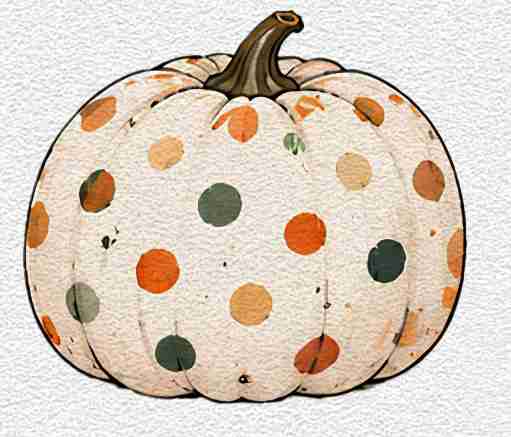
Create a playful pumpkin using dots of different sizes.
Start with a cream, orange, sage, pink, or muted blue base. Then use the end of a small brush or a dotting tool to add circles across the surface.
Mix large and small dots and vary their spacing. You can keep the pattern random or arrange the dots into simple clusters.
This is one of the easiest designs to adapt for a beginner sketchbook because you can experiment with different color combinations without needing detailed drawing skills.
17. Cozy Autumn Still-Life Pumpkin
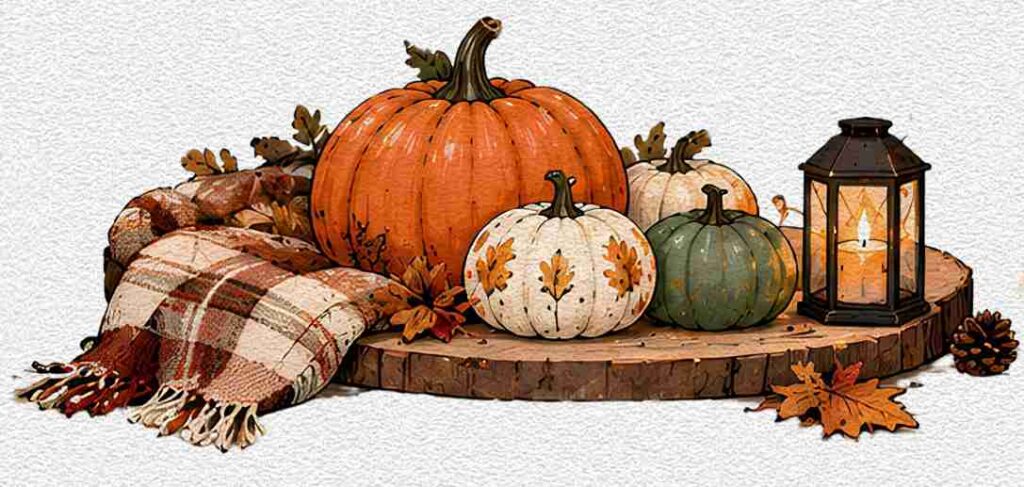
Finish your collection with a small autumn still-life featuring a painted pumpkin alongside cozy seasonal objects.
Draw or paint one main pumpkin with a few smaller pumpkins around it. Add a warm mug, folded blanket, lantern, fallen leaves, pinecones, or a small stack of books.
Instead of detailing every object, focus on the overall arrangement and warm color harmony. Use soft shadows underneath the objects to connect everything together.
This idea is perfect for a larger sketchbook spread because you can turn the single pumpkin into a complete cozy autumn scene.
Pumpkin painting doesn’t have to mean creating a highly detailed or realistic artwork. A simple pumpkin shape can become a watercolor study, botanical illustration, abstract painting, patterned design, or complete autumn still life.
For your sketchbook, try mixing different approaches rather than making every page look the same. Paint one pumpkin loosely with watercolor, another with stripes or dots, and another with flowers or a small landscape. Keeping a consistent fall-inspired palette can help the entire sketchbook spread feel connected.
Most importantly, let some brush texture and imperfections remain visible. The handmade quality is part of the charm of seasonal sketchbook art—and it makes these 17 pumpkin painting ideas easy to personalize for your own fall creative practice.