
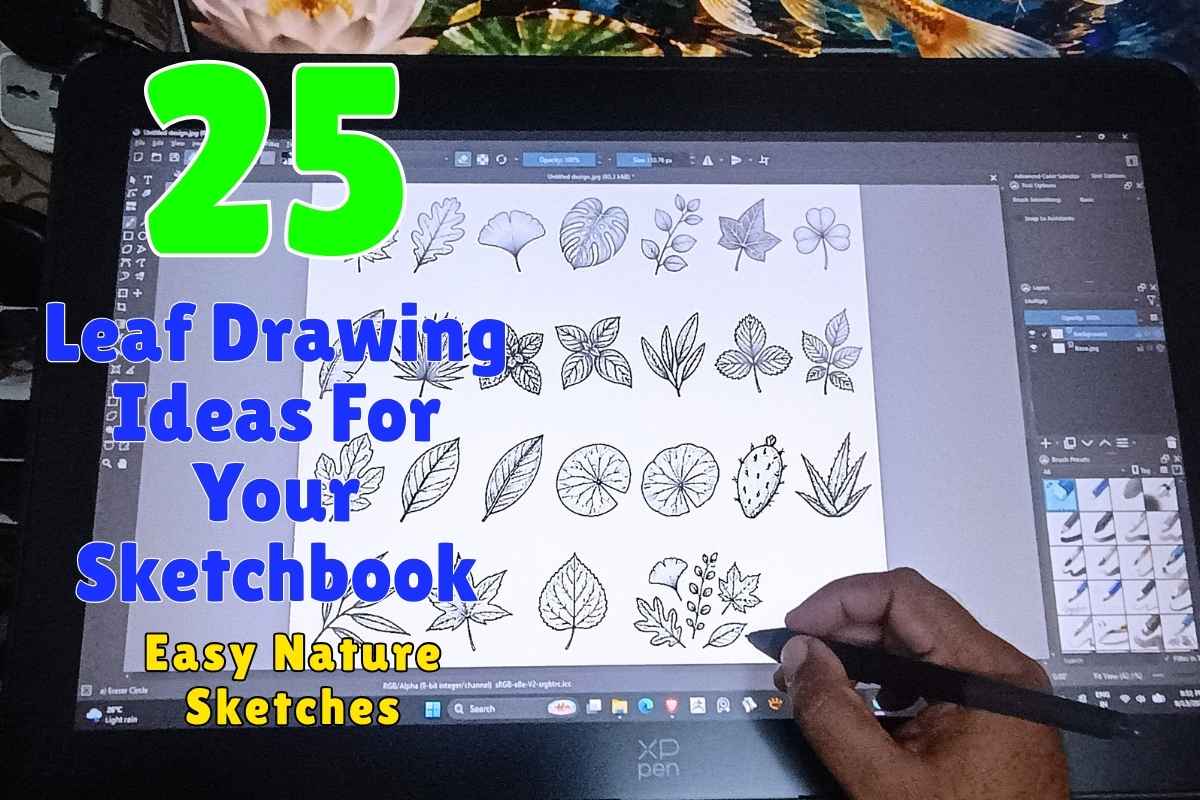
If you are looking for simple ways to fill a sketchbook with nature-inspired drawings, leaves are a great place to start. Their shapes range from bold and dramatic to delicate and minimal, giving you plenty of opportunities to practice outlines, veins, texture, proportion, and light shading.
This collection features 25 leaf drawing ideas with different silhouettes and structures. Some are quick and beginner-friendly, while others give you a chance to practice more detailed botanical sketching.
You don’t need advanced drawing skills to try these. Start with the overall shape, add the central vein, build the smaller details, and finish with light shading where needed. The goal is not perfect botanical accuracy—it is to develop observation skills and create interesting pages in your sketchbook.
1. Maple Leaf
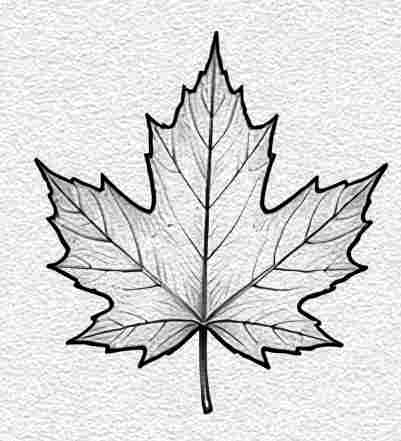
Start with the distinctive pointed silhouette of a maple leaf. Lightly mark the central vein first, then build the large pointed sections around it, keeping the sides reasonably balanced. Add smaller veins branching toward each point and use light hatching to give the leaf some natural texture.
2. Oak Leaf
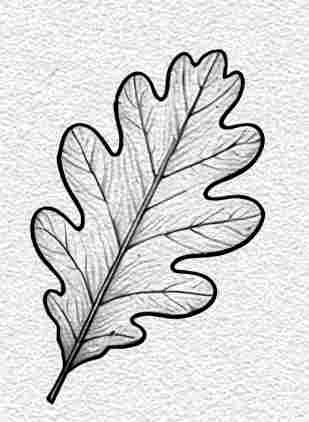
An oak leaf is perfect for practicing curved and irregular edges. Begin with a long central vein and create the outer silhouette using a series of rounded lobes. Keep the lobes slightly different in size instead of making them perfectly symmetrical, then add thin veins following their direction.
3. Ginkgo Leaf
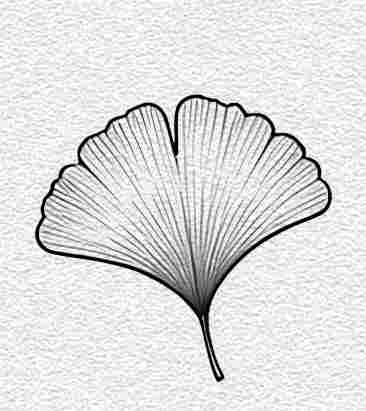
The fan-shaped ginkgo leaf makes a beautiful simple sketchbook subject. Draw the thin stem first and build the wide fan shape above it. Use many delicate lines spreading outward from the stem to suggest the characteristic vein pattern.
4. Monstera Leaf
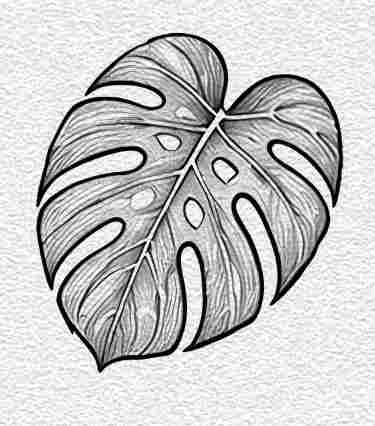
For a more dramatic drawing, try a monstera leaf. Begin with a large heart-like silhouette and establish the central vein before adding the characteristic splits and holes. Keep the internal details clean and organized so the leaf doesn’t become visually crowded.
5. Eucalyptus Leaf
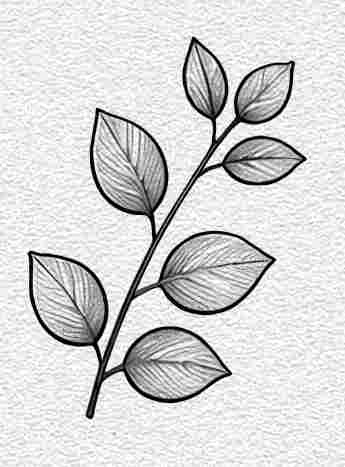
Draw a thin eucalyptus stem with several rounded leaves growing along it. Focus on creating a natural rhythm by varying the size and angle of each leaf. Keep the shading subtle and use a few fine lines to indicate the central veins.
6. Ivy Leaf
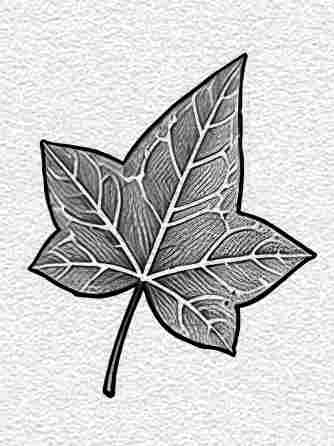
Ivy is a great choice when you want to practice a more angular leaf shape. Start with the central vein and create the pointed lobes around it. Add several thin side veins and slightly vary the size of the leaves if you want to turn the drawing into a small vine study.
7. Clover Leaf
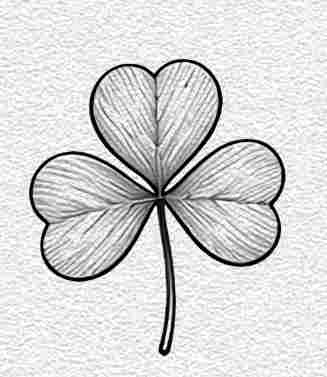
Keep this drawing simple by focusing on three rounded leaf sections connected to a single stem. Lightly sketch the three shapes first and refine their outlines afterward. A few curved interior lines are enough to suggest the veins without overcomplicating the drawing.
8. Banana Leaf
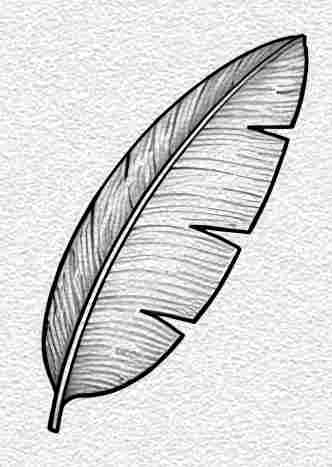
A banana leaf gives your sketchbook page a completely different silhouette. Draw its long, sweeping shape first and establish the strong central midrib. Then add many narrow lines extending outward toward the edges, following the natural direction of the leaf.
9. Palm Leaf
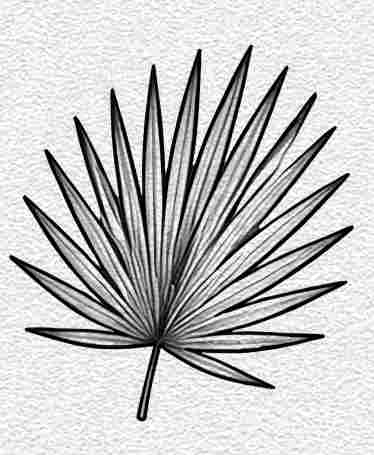
Create a palm leaf by drawing one long central stem with narrow leaflets extending from both sides. Start with the main stem so the individual sections remain properly aligned. Vary the length and angle of the leaflets slightly to make the drawing feel organic.
10. Mint Leaf
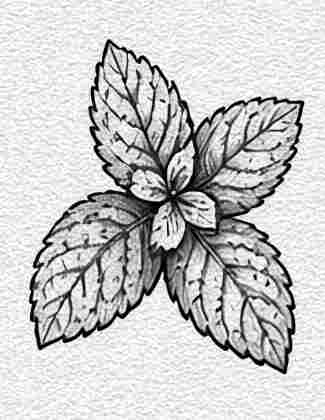
Mint leaves are useful for practicing small serrated edges and surface texture. Begin with the basic oval shape, then create the slightly uneven border. Add the central vein and smaller branching veins before using short pencil strokes to suggest the textured surface.
11. Basil Leaf
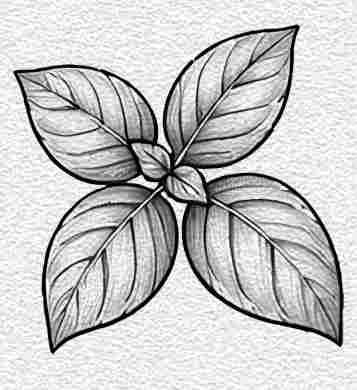
Draw a small cluster of basil leaves connected around a central stem. Focus on their broad, rounded shapes and slightly pointed tips. Use gentle curved lines for the veins and keep the shading soft to maintain the fresh, delicate appearance of the leaves.
12. Sage Leaf
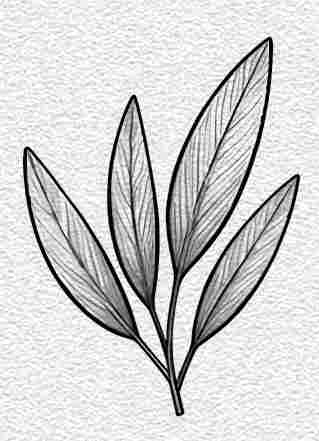
Sage leaves have an elongated shape that works nicely for a simple botanical study. Sketch the long outline first, then add the central vein and several smaller branches. Use very light, short strokes across the surface to suggest a soft, slightly textured leaf.
13. Strawberry Leaf
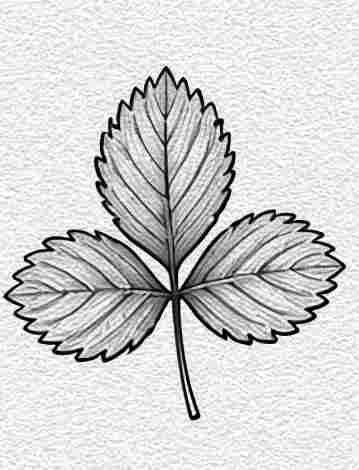
Draw three connected leaflets to create a simple strawberry leaf study. Pay attention to the pointed shape and slightly serrated edges of each leaflet. Add a central vein to each section and use light shading around the bases where the leaflets meet.
14. Raspberry Leaf
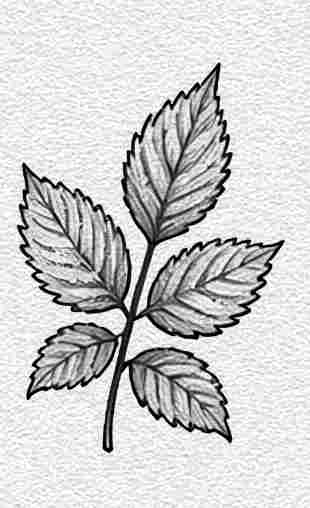
Try a raspberry leaf with several smaller pointed leaflets arranged around a central stem. Start with the overall structure before refining the individual shapes. The repeated serrated edges make this a useful sketchbook exercise for practicing small details.
15. Fig Leaf
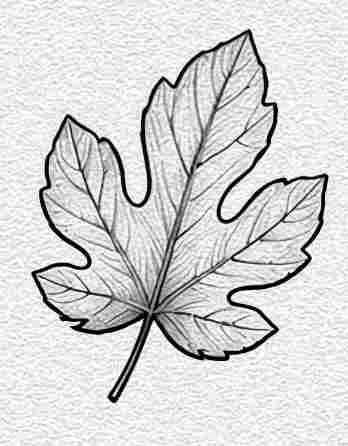
A fig leaf gives you an opportunity to practice a larger, deeply lobed silhouette. Begin with the central vein and lightly map out the major lobes before refining the outer edge. Add branching veins that follow each lobe and use soft shading to emphasize the folds.
16. Lemon Leaf
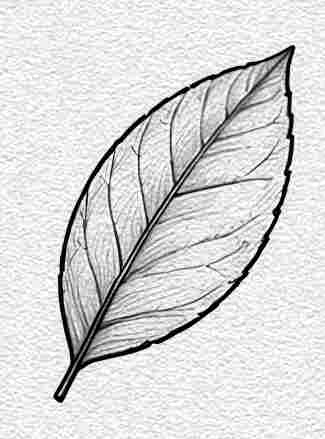
Draw a clean, elongated lemon leaf with a gently pointed tip. Establish the central vein first, then create the outline around it. Add several short veins and use directional pencil strokes to give the surface a subtle natural texture.
17. Magnolia Leaf
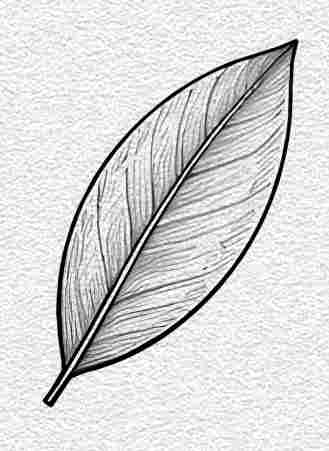
Magnolia leaves have a smooth, broad shape that is ideal for practicing clean contours. Draw the long oval silhouette and slightly pointed tip, then add the strong central vein. Keep the interior details minimal and use gradual shading along one side for a polished botanical look.
18. Water Lily Leaf
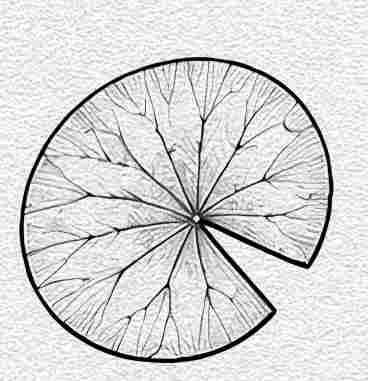
The circular shape of a water lily leaf makes an interesting change from traditional pointed leaves. Draw a near-circle and leave a clear wedge-shaped opening extending toward the center. Add delicate veins radiating outward from the center and use light shading to give the surface dimension.
19. Lotus Leaf
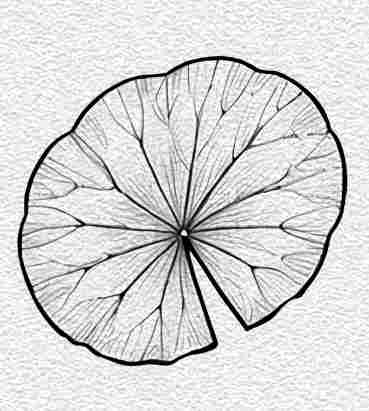
For a lotus leaf, start with a broad rounded shape and establish the central point. Add radiating veins spreading toward the outer edge, keeping them varied rather than perfectly uniform. A few curved lines can suggest the natural folds and surface structure.
20. Cactus Pad
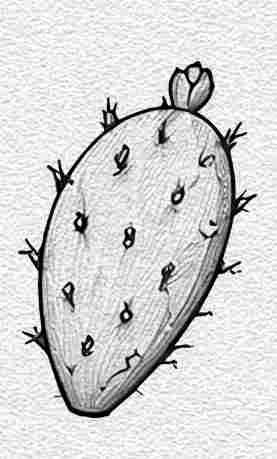
Turn the cactus pad into a simple nature study by focusing on its oval shape rather than drawing an entire cactus. Create a slightly irregular outline, then add tiny clusters of spines across the surface. Use gentle shading along one side to make the pad appear rounded.
21. Aloe Vera Leaf
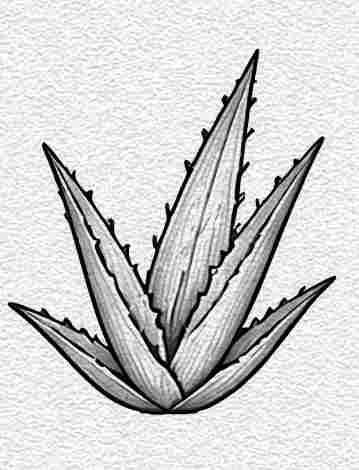
Aloe vera leaves are excellent for practicing long, pointed forms. Start from the base and gradually taper each leaf toward its tip. Add small serrations along the edges and a few subtle interior lines without filling the entire surface with heavy detail.
22. Bamboo Leaf
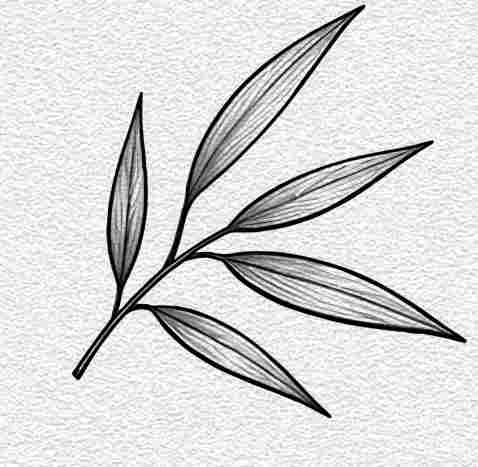
Draw several long, narrow bamboo leaves attached to a thin branch. Begin with the branch and place the leaves at different angles along it. Keep the individual leaves simple, using one central vein and a few fine side lines to create a clean botanical sketch.
23. Sweetgum Leaf
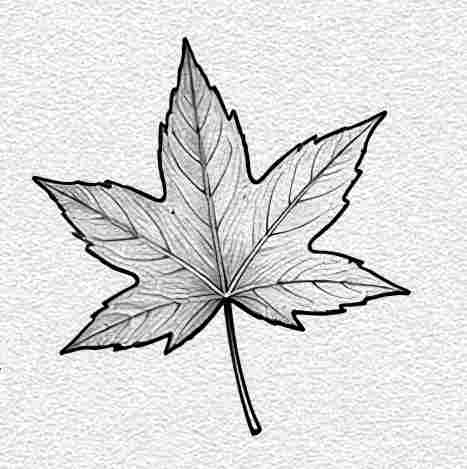
A sweetgum leaf has a star-like shape with several pointed sections. Begin with the central point and lightly construct the main lobes before refining the edges. Add branching veins into each section and use light hatching near the center for depth.
24. Aspen Leaf
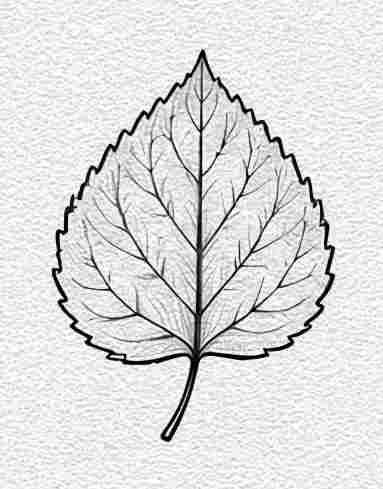
Try a rounded aspen leaf with a pointed tip and a long slender stem. Focus on creating a clean, slightly curved outline before adding the central vein. Use evenly spaced side veins and very subtle shading to keep the drawing light and airy.
25. Leaf Collection
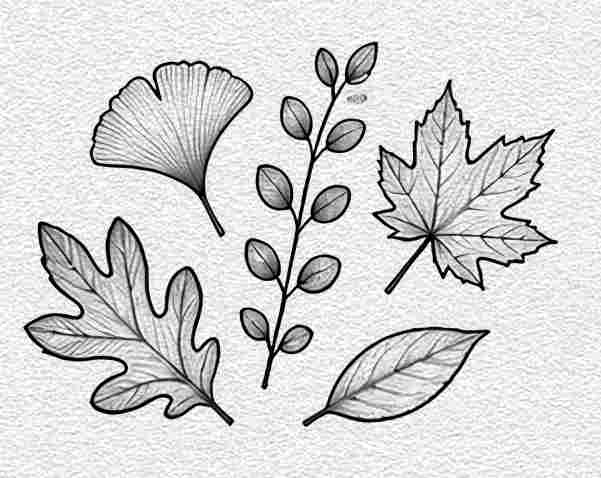
Finish your sketchbook page with a small collection of different leaf shapes. Combine a few of your favorite silhouettes—such as a fan-shaped leaf, a lobed leaf, a narrow leaf, and a rounded leaf—and arrange them together like a miniature botanical study. Vary the scale and direction of each leaf to create a balanced composition rather than lining them up evenly.
A sketchbook doesn’t need complicated illustrations to feel creative. A single leaf can give you plenty to study—from its silhouette and central vein to its texture, folds, and subtle changes in shape.
Try choosing one leaf from this list and drawing it three different ways: a quick outline, a detailed pencil study, and a small shaded sketch. You can also combine several leaves into one nature-inspired page and experiment with different line weights and levels of detail.
The most useful approach is to look at the structure before adding decoration. Google also recommends creating useful, original, people-first content rather than simply producing pages for search engines, so these ideas are designed to give readers an actual drawing approach rather than just a list of names.
Open your sketchbook, pick a leaf, and start with its simplest shape. The more you observe and draw natural forms, the easier it becomes to turn everyday subjects into interesting artwork.