

Halloween is a great time to turn a blank sketchbook page into something atmospheric, mysterious, and a little unsettling. Instead of drawing only classic Halloween characters, you can create spooky environments, abandoned places, mysterious objects, and quiet nighttime scenes.
Pinterest is particularly useful for seasonal inspiration because Halloween searches begin building well before October, with Pinterest reporting that people start planning for Halloween as early as August. Current Halloween drawing content also continues to emphasize sketchbook-friendly, beginner-accessible ideas that can work with simple pencil and ink techniques.
These 17 ideas take a more atmospheric spooky approach. They are designed to help you create interesting Halloween sketchbook pages without relying on the usual pumpkin, ghost, bat, or witch-object combinations.
1. Abandoned Carnival
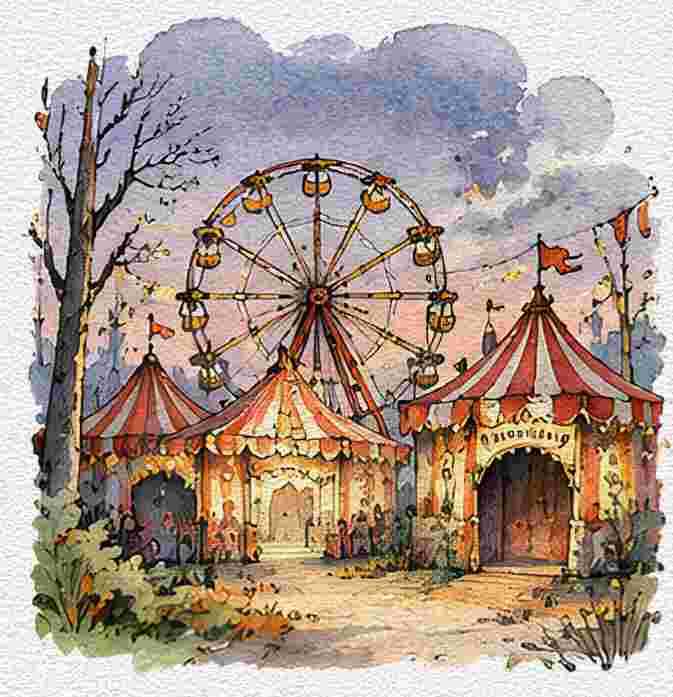
Draw an old carnival that has been left completely empty. Include a Ferris wheel, striped tents, broken signs, and a few overgrown plants to make the scene feel forgotten.
Start with the largest shapes first—the Ferris wheel and main tent. Use simple perspective lines to establish the ground, then add smaller details such as torn flags, empty booths, and weeds.
For a spooky effect, leave plenty of empty space around the carnival and use darker shading underneath the structures.
2. Creepy Carnival Ticket Booth
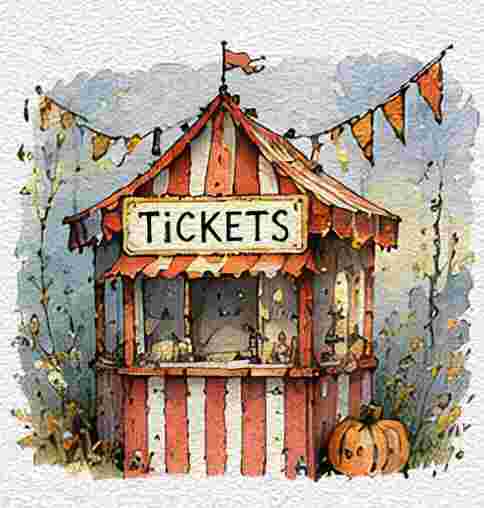
Create a small abandoned ticket booth with a crooked roof, dusty windows, peeling signs, and a few scattered tickets on the ground.
Begin with a simple rectangular structure and establish the roof before adding the window and counter. Slightly tilt a few lines rather than making everything perfectly straight.
Add cracks, torn posters, or vines around the edges to make the booth look aged without needing complicated detail.
3. Haunted Dollhouse
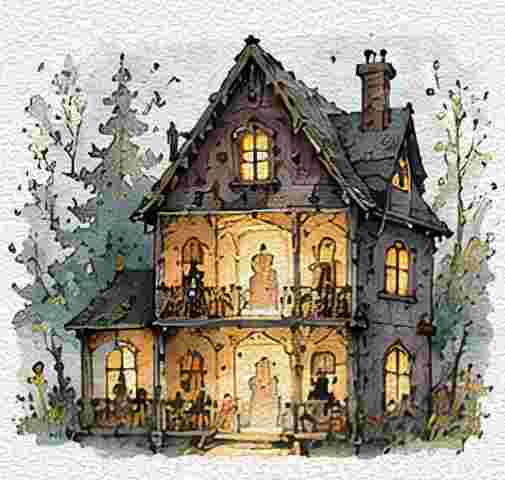
Draw a miniature dollhouse with several visible rooms. Each room can contain one strange detail—a chair facing the wrong direction, a tiny shadow, or a figure standing in an upstairs window.
Start with the basic house silhouette and divide it into simple rooms. Keep the furniture minimal so the unusual details become the focus.
This idea works especially well as a sketchbook drawing because you can zoom in on individual rooms and add tiny storytelling elements.
4. Old Portrait with Mysterious Eyes
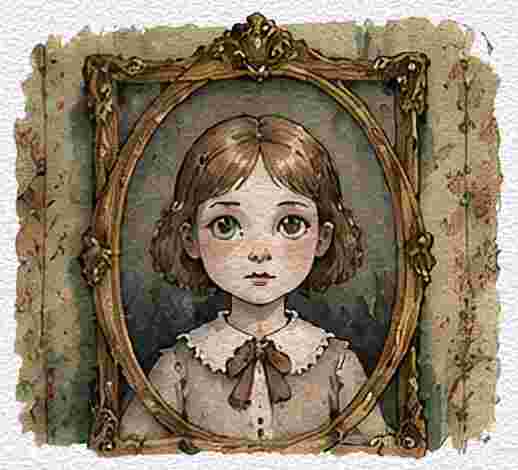
Draw an antique portrait hanging inside an ornate frame. Give the character a calm expression, but make the eyes slightly unusual—for example, looking directly at the viewer.
Begin with the outer frame and work inward toward the face. Keep the portrait relatively simple and use shading around the eyes, hair, and clothing to create atmosphere.
A dark background around the frame can make the portrait feel much more mysterious.
5. Creaky Wooden Staircase
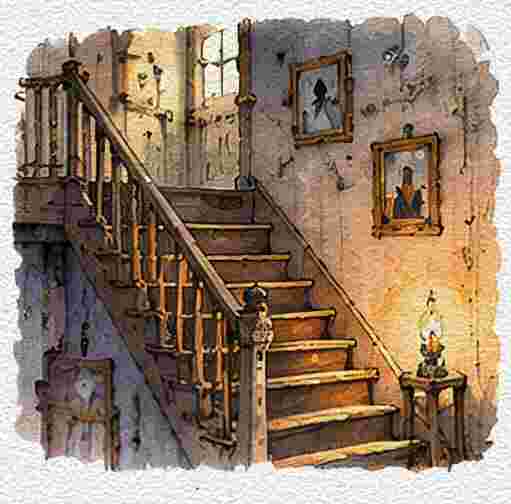
Draw an old wooden staircase disappearing upward into darkness. Add crooked railings, worn steps, cobwebs, and a small light source somewhere in the scene.
Use diagonal lines to establish the staircase before adding individual steps. Make some steps darker than others to create depth.
You don’t need to show what is at the top. Leaving the destination hidden can actually make the sketchbook drawing feel more mysterious.
6. Forgotten Attic Chest
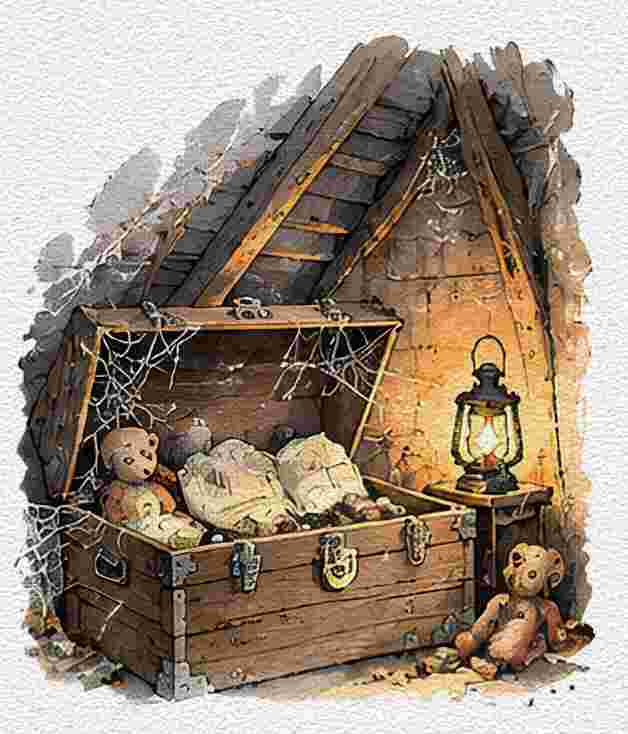
Create an old wooden chest sitting in a dusty attic. Add scattered books, fabric, old toys, cobwebs, or a small lantern around it.
Start with the chest as the main shape and establish its perspective first. Then add the lid, lock, wooden boards, and surrounding objects.
Use darker shading underneath the chest and inside the lid to create a sense of depth.
7. Shadowy Forest Path
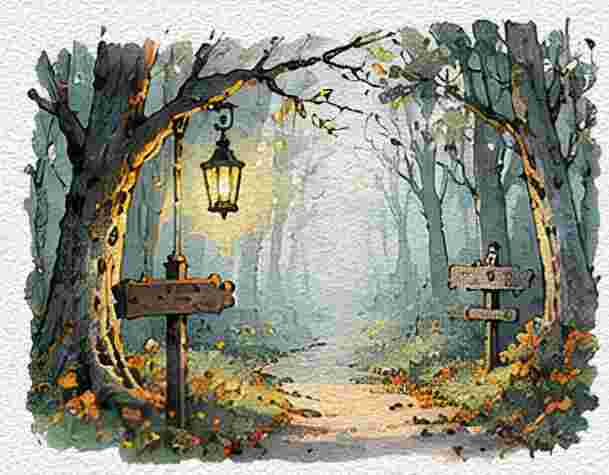
Draw a narrow path disappearing into a dark forest. Tall trees can frame both sides of the composition while a small amount of moonlight or mist appears in the distance.
Begin with the path because it creates the main perspective. Then add large tree trunks around the edges and gradually make the background trees smaller.
Keep the center of the path lighter and the outer edges darker. This naturally directs the viewer’s eye deeper into the drawing.
8. Creepy Cemetery Statue
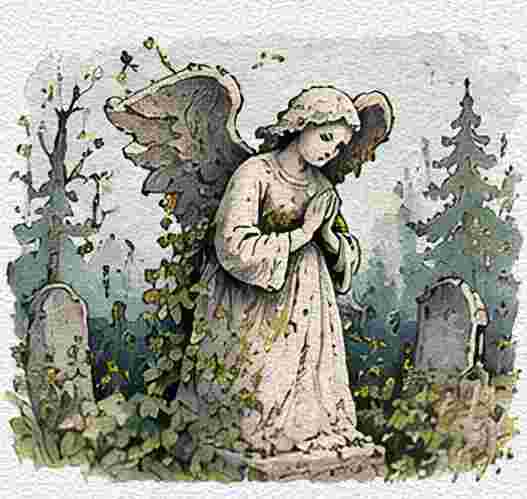
Draw an old weathered statue surrounded by overgrown plants and fallen leaves. Cracks and worn stone textures can make the statue look like it has been standing there for decades.
Start with the overall silhouette rather than trying to draw realistic stone immediately. Once the shape works, add cracks, shadows, moss, and small plants.
A few simple gravestones in the background can add depth without becoming the main subject.
9. Abandoned Church Bell Tower
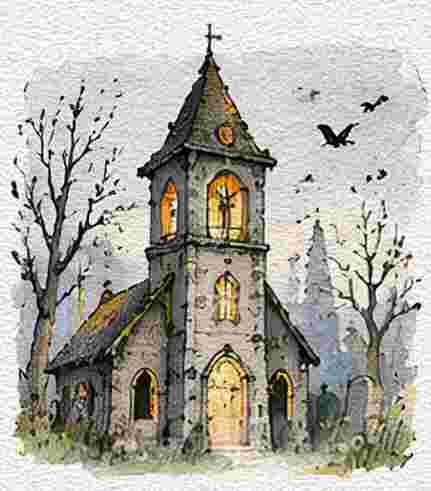
Create an old church with a tall bell tower disappearing into the night sky. Add crooked windows, worn stone, bare branches, and a small moon behind the building.
Use the building’s vertical structure as the main composition. Draw the tower first, then add the roof and surrounding architecture.
For a stronger spooky effect, keep most of the building dark and leave only a few small areas of light.
10. Foggy Graveyard Tree
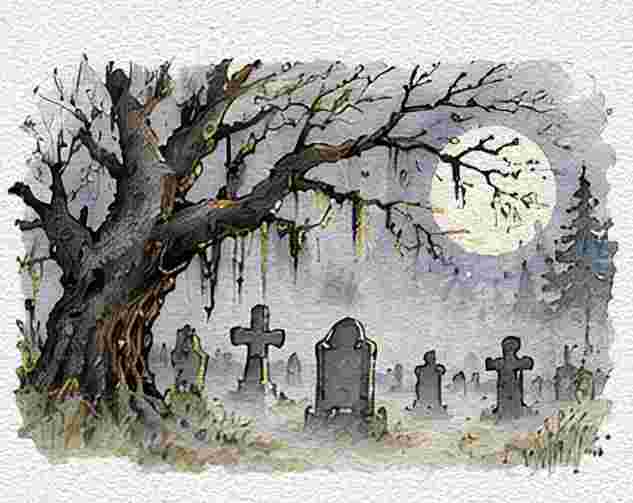
Make a large twisted tree the main focus of a misty nighttime scene. Surround its roots with a few distant gravestones and let fog partially hide the background.
Start with the tree trunk and major branches. Exaggerate the curves to make the silhouette more dramatic.
Use lighter shading in the background and stronger contrast around the tree. This simple value difference can create a surprisingly atmospheric sketchbook page.
11. Mysterious Abandoned Cabin
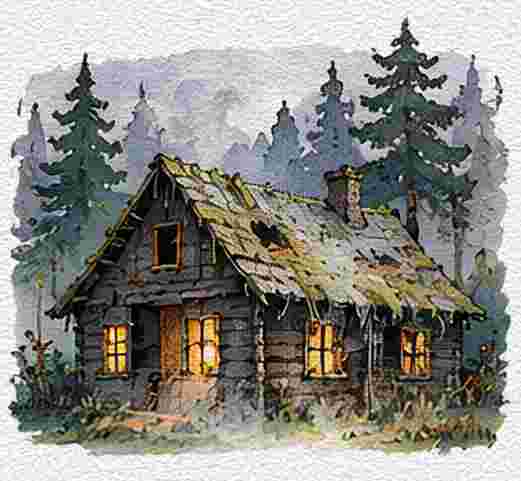
Draw a small abandoned cabin surrounded by tall trees. Include broken boards, a crooked roof, overgrown grass, and perhaps one faintly illuminated window.
Begin with the cabin’s basic box shape and roof. Add the door and windows before moving into smaller details.
Keep the surrounding forest relatively loose. The contrast between the simple cabin and textured trees will make the composition more interesting.
12. Creaking Wooden Swing
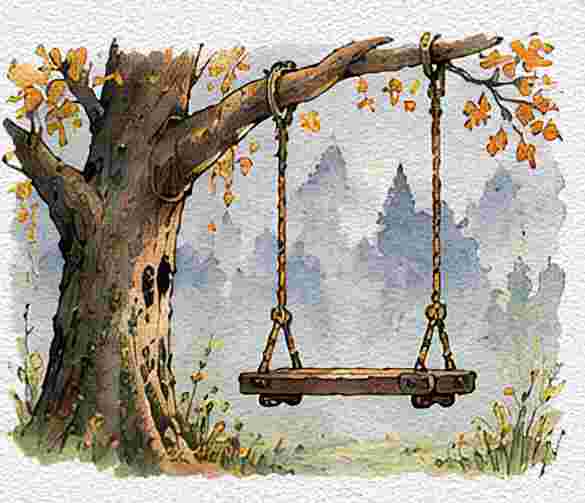
Draw an old wooden swing hanging from a large tree branch. Let the swing hang slightly unevenly to suggest that it has been left untouched for a long time.
Start with the tree branch and then position the ropes beneath it. Keep the swing seat simple and add a few fallen leaves underneath.
This can be a very effective minimalist Halloween sketchbook drawing because the empty space around the swing adds to the mood.
13. Spooky Street Lamp
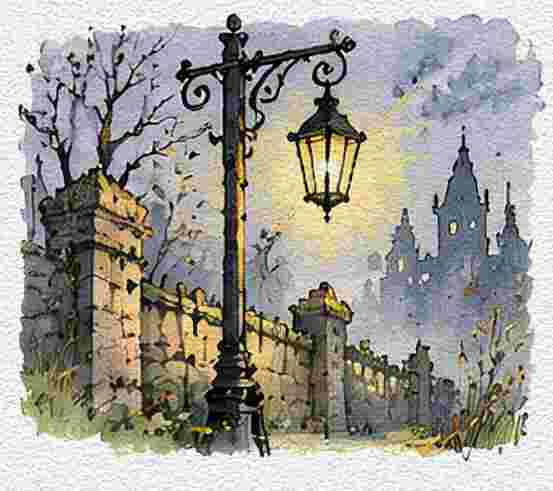
Create an old street lamp standing alone on an empty path or quiet street. Add mist, bare branches, and a few distant silhouettes to make the scene feel deserted.
Begin with the lamp’s tall silhouette and decorative top. Then paint or shade the small area around the light source.
Keep the surroundings darker than the lamp. The contrast will make the glowing light the natural focal point.
14. Old Haunted Train
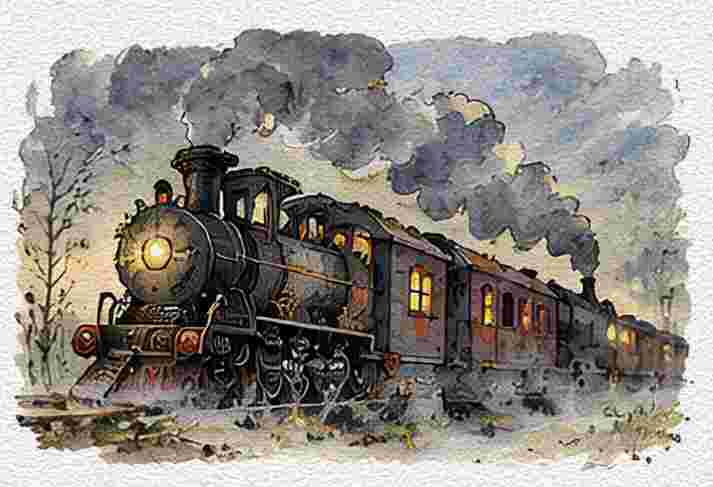
Draw an old-fashioned train moving through a dark landscape at night. Add smoke rising from the engine, glowing windows, bare trees, and a large moon in the background.
Start with the locomotive as a collection of basic geometric shapes. Add the wheels and carriages afterward.
Use repeated horizontal lines for the train and vertical trees in the background to create contrast. A few highlights in the windows can give the train a mysterious nighttime character.
15. Dark Crow Silhouette
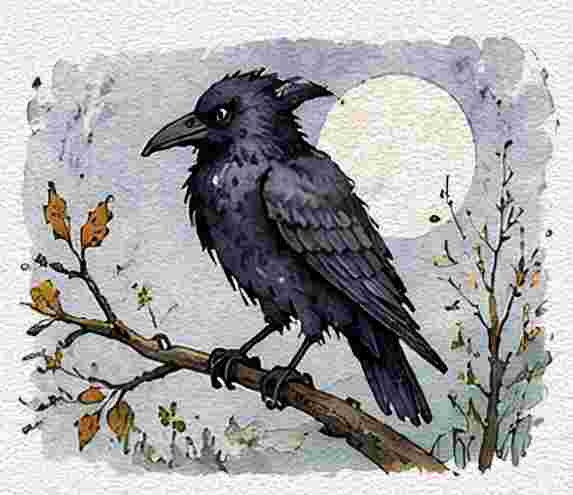
Create a large crow perched on a bare tree branch beneath a moonlit sky. Keep the bird mostly as a strong dark silhouette.
Begin with the branch and then establish the crow’s overall body shape. Focus on the beak, head, wings, and tail rather than adding excessive feather detail.
A large moon or softly shaded sky behind the bird can make this simple composition immediately recognizable as Halloween-inspired.
16. Creepy Puppet Theater
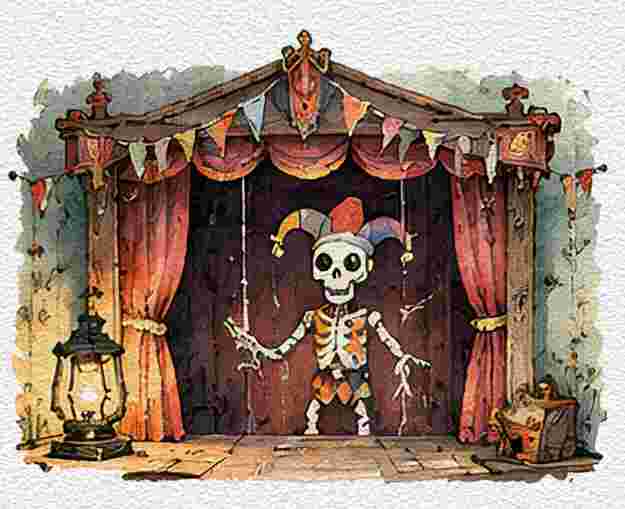
Draw an abandoned miniature puppet theater with curtains pulled partly open. Place a strange puppet or figure inside the stage and surround the theater with old wooden details.
Start with the rectangular stage and curtains. Then add the puppet as the central focal point.
Use folds in the curtains, wooden textures, and deep shadows behind the stage to create depth. You can make the puppet slightly unusual without making the drawing graphic or frightening.
17. Moonlit Abandoned Playground
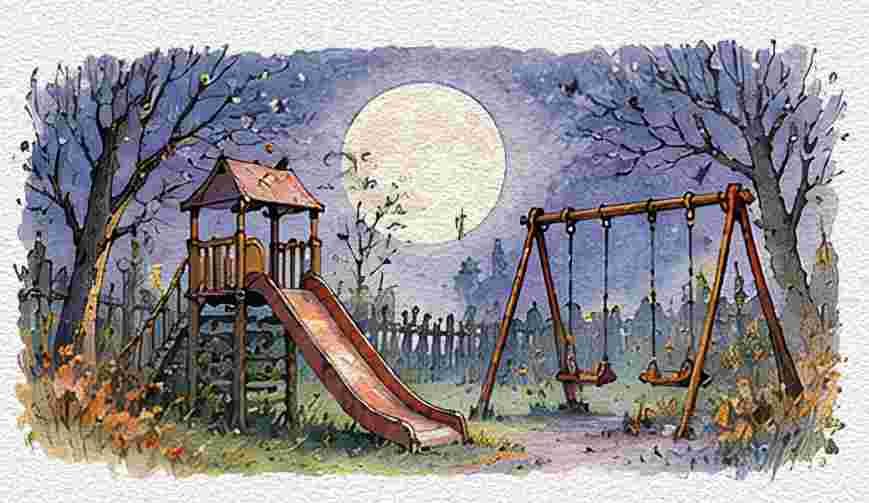
Finish the collection with an empty playground under a large moon. Include a swing set, slide, climbing frame, fallen leaves, and a few bare trees.
Start with the largest playground structures and establish their perspective. Then add the moon and tree silhouettes in the background.
Leave plenty of open space around the playground. The emptiness is part of what makes the scene feel spooky, and it also gives your sketchbook page a clean composition.
How to Make a Sketchbook Page Feel Spooky
You don’t need complicated horror details to make a Halloween drawing feel eerie. A few simple composition choices can do most of the work.
Use strong silhouettes
Dark trees, buildings, staircases, and objects can immediately establish a nighttime mood. Keep the silhouette recognizable and let the details come afterward.
Create one unusual detail
Take an ordinary scene and add one element that feels slightly wrong. A swing hanging by itself, a portrait staring directly at the viewer, or an empty carnival can create tension without requiring complicated drawing.
Use empty space
Don’t fill every part of the sketchbook page. Large areas of sky, fog, darkness, or blank paper can make the main subject feel more isolated.
Experiment with light and shadow
Choose one main light source—a moon, street lamp, window, or lantern—and make the surrounding areas progressively darker.
This is one of the easiest ways to make a simple drawing look atmospheric.
Add small background details
Once your main drawing is finished, add a few supporting elements such as bare branches, fallen leaves, mist, distant buildings, cracks, or tiny stars.
Keep these details smaller and lighter than the main subject so they don’t compete for attention.
Easy Sketchbook Approach for Beginners
If you’re new to spooky drawing, don’t start with all the details at once. Build each illustration from large shapes.
First, sketch the overall composition lightly with a pencil. Next, establish the main silhouette and perspective. Then add the important details that make the subject recognizable.
After that, choose a few areas for darker shading. You can use pencil hatching, cross-hatching, a black fineliner, or a combination of both.
A simple pencil and black pen are enough to create an effective Halloween sketchbook page; current beginner-oriented Halloween drawing resources also emphasize that elaborate supplies aren’t necessary to get started.
Ideas for Creating a Spooky Halloween Sketchbook Spread
Instead of making every drawing a separate page, you can combine several ideas into one October spread.
For example, place the abandoned carnival as the main drawing and use a ticket booth, old portrait, and dark crow as smaller supporting sketches.
Another option is to create a nighttime-themed spread using the forest path, street lamp, old train, and abandoned playground.
You can also leave small areas for handwritten notes, dates, tiny stars, rough thumbnails, or experimental shading. This gives the page a genuine sketchbook feel rather than making it look like a collection of isolated illustrations.
These 17 spooky Halloween sketchbook ideas are a chance to explore atmosphere, storytelling, perspective, light, and shadow while creating seasonal artwork for October.
You don’t need to make every drawing extremely detailed. Start with simple shapes, build a strong silhouette, choose one main light source, and add a few carefully selected spooky details.
Whether you prefer abandoned places, mysterious objects, quiet nighttime scenes, or atmospheric landscapes, your sketchbook can become a collection of little Halloween stories.
Pick one idea, open your sketchbook, and start with the simplest shapes. Then let the spooky atmosphere develop as you add the details.
Pinterest recommends getting Halloween content in front of audiences early because seasonal searches begin well before the holiday itself, making this type of October-focused sketchbook content particularly suited to early seasonal discovery.